I only became aware of the Museum recently whilst route planning a ride and spotting its icon on the map. Curious to see what it had to offer, I checked out its website only to find that, being entirely run by volunteers, it only opens its doors about once a month. Today was the first chance I’ve had to make a visit.
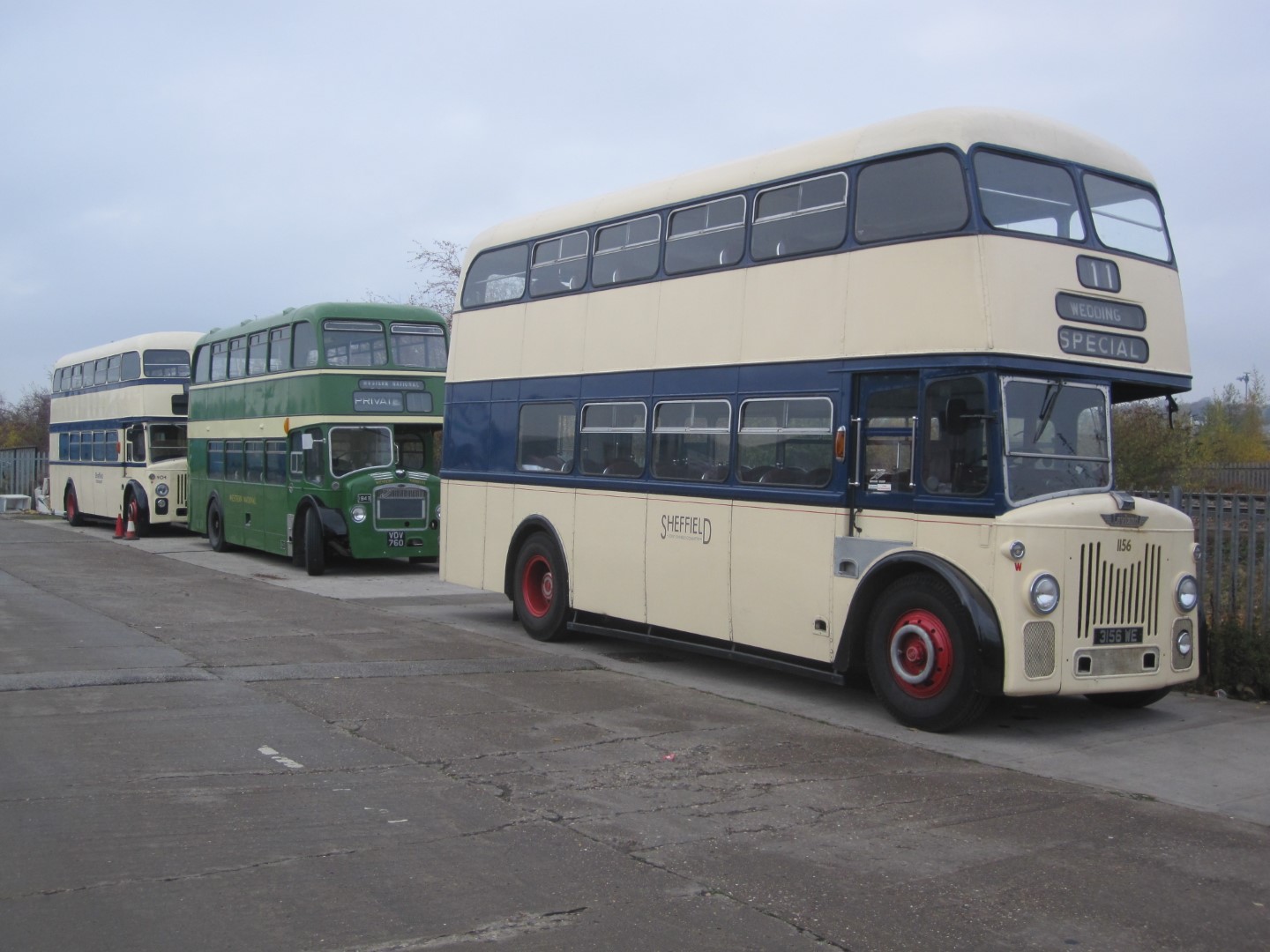
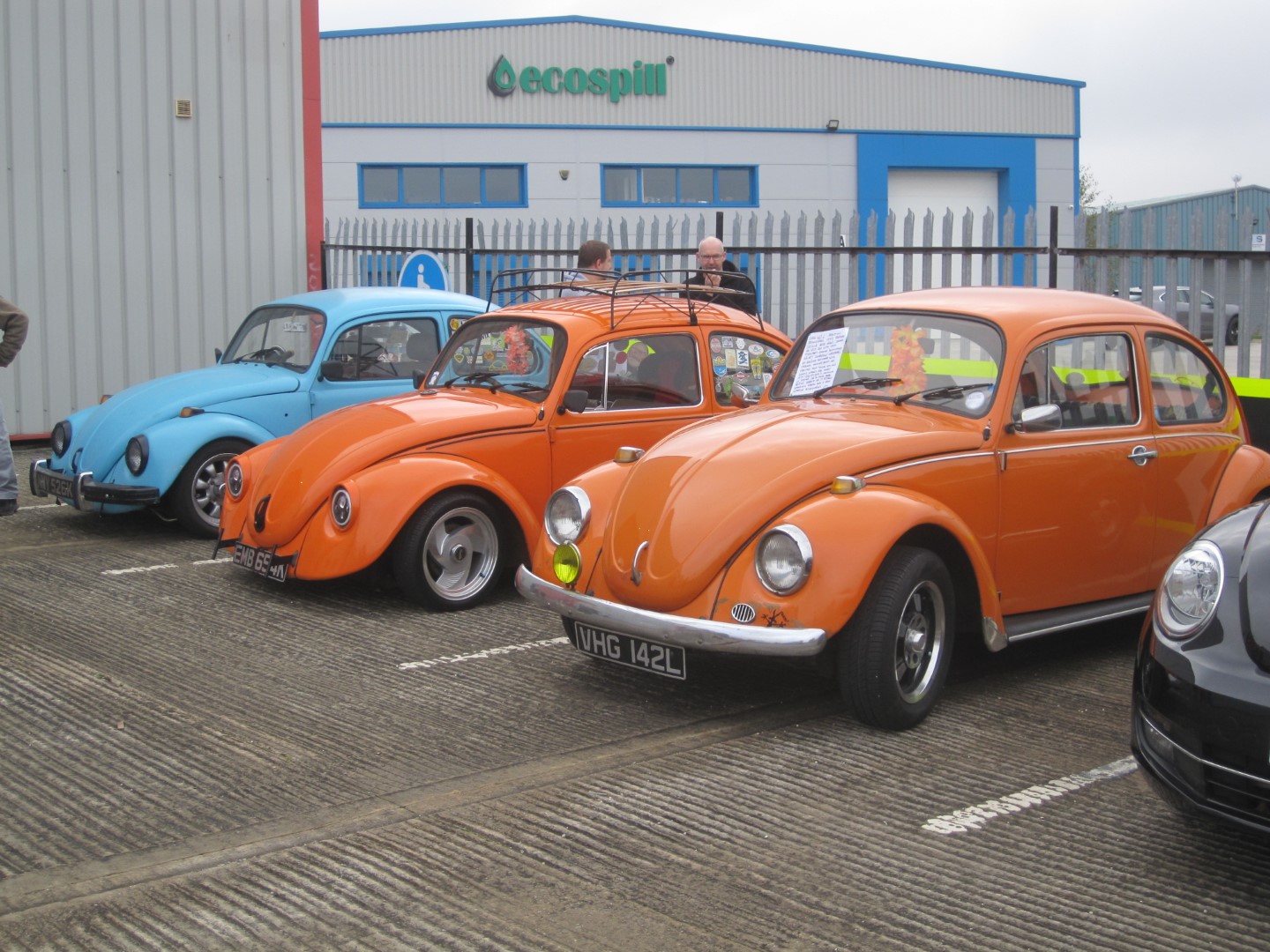
Wanting a few more miles than a direct return journey would provide, I settled on a more meandering approach out through Maltby, Ravenfield, Kilnhurst and Rawmarsh, before making my way along the quiet industrial estate road on which the Museum is located. Somewhat incongruously, it’s housed in a large, modern industrial unit, but is easily identified by the vintage buses parked outside. As I was chaining up the bike, a few classic cars began to pull into the car park, although I think it was more that folks who are passionate about older vehicles are attracted to the Museum, rather than it being an organised gathering.
On entering the clean, modern Reception area, and paying the modest £5 entry fee, the wonderfully evocative smell of motor oil associated with garages and workshops wafted across my (masked) nose. That delightful ‘perfume’ pervades the whole of the building, carrying with it a sense of purpose, of honest graft. Wandering through the tiny and rather unique gift shop – most of the stock is ‘previously cherished’ items of mostly transport-related paraphernalia donated to be sold to raise funds – I found myself in the cavernous exhibition space.
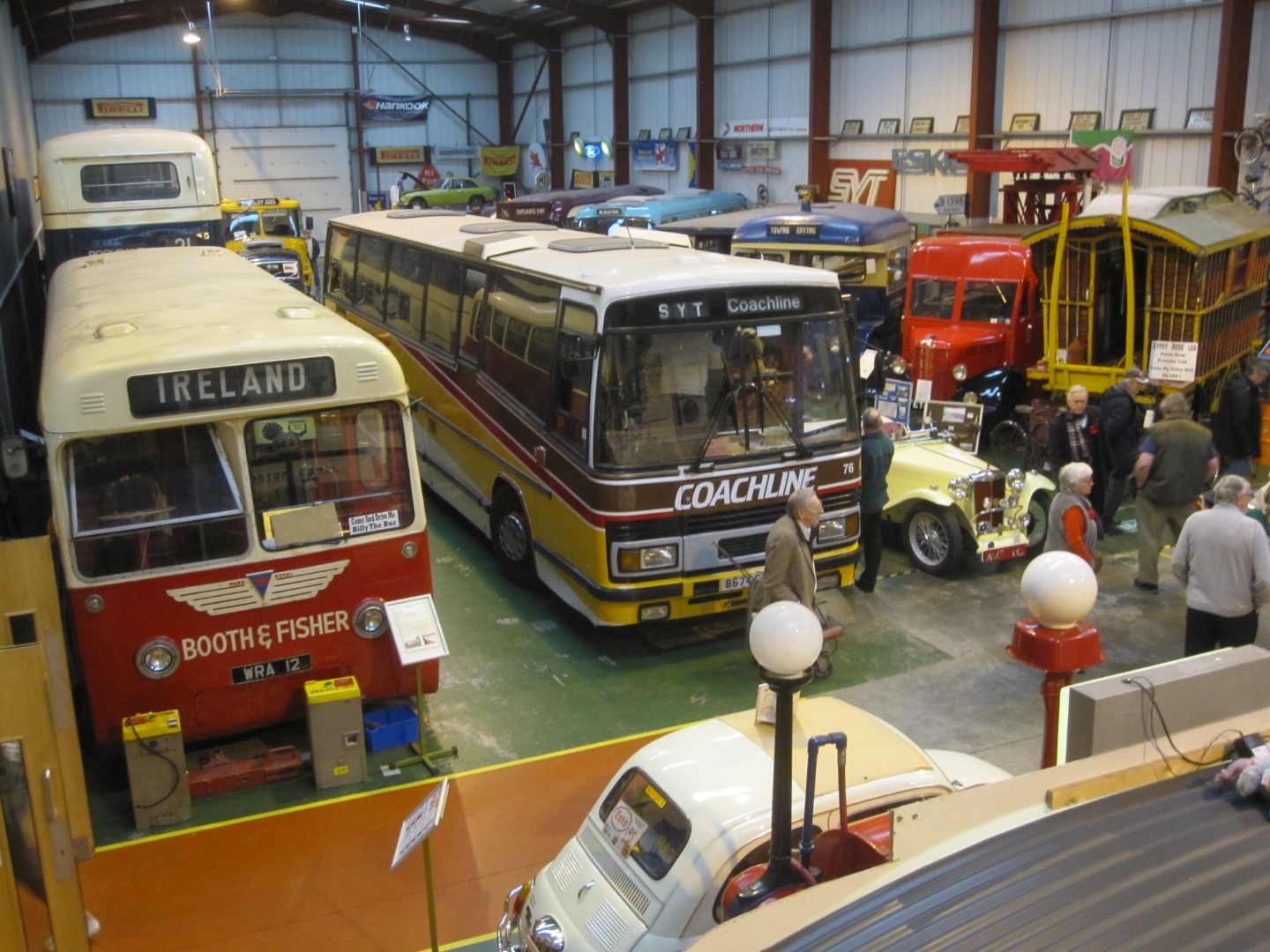
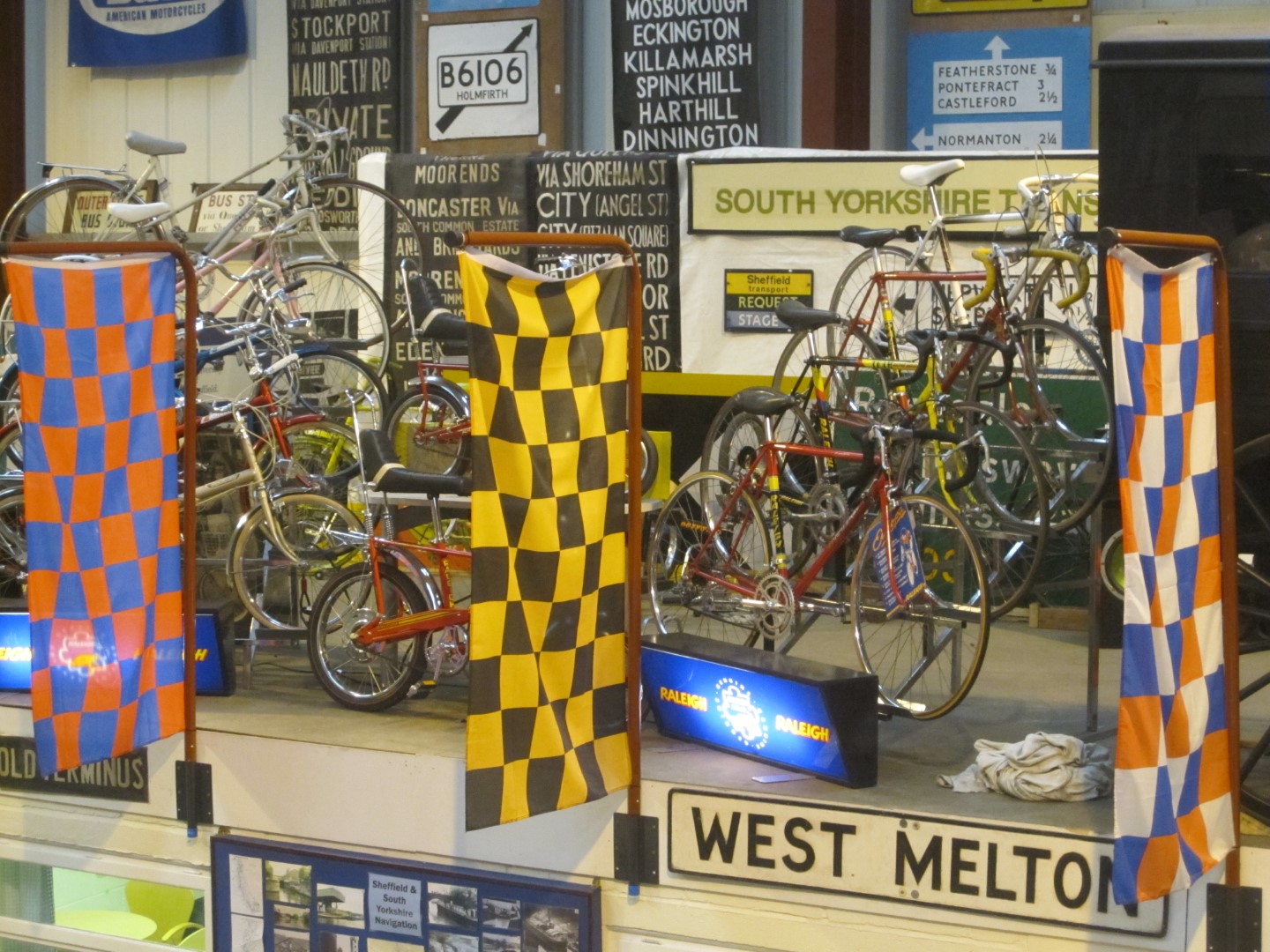
You wander at will around small sections devoted to particular aspects of transport over the ages, however, this isn’t a museum supported by huge Lottery-funded grants, so systematic theming and categorisation is not the order of the day. It’s entirely run by volunteers who restore, maintain and arrange the exhibits, who staff the reception and canteen, and who doubtless clean the toilets. Even so, whilst there’s clearly been the desire to display as many of the donated artefacts, large and small, as space will allow, it neither feels claustrophobic nor especially haphazard. Each section and many of the exhibits within them have printed information cards providing some of the background. There are sections devoted to trams, to buses, to military vehicles, commercial vehicles and personal transport. I was pleased to see a section devoted to two-wheeled transport for example.

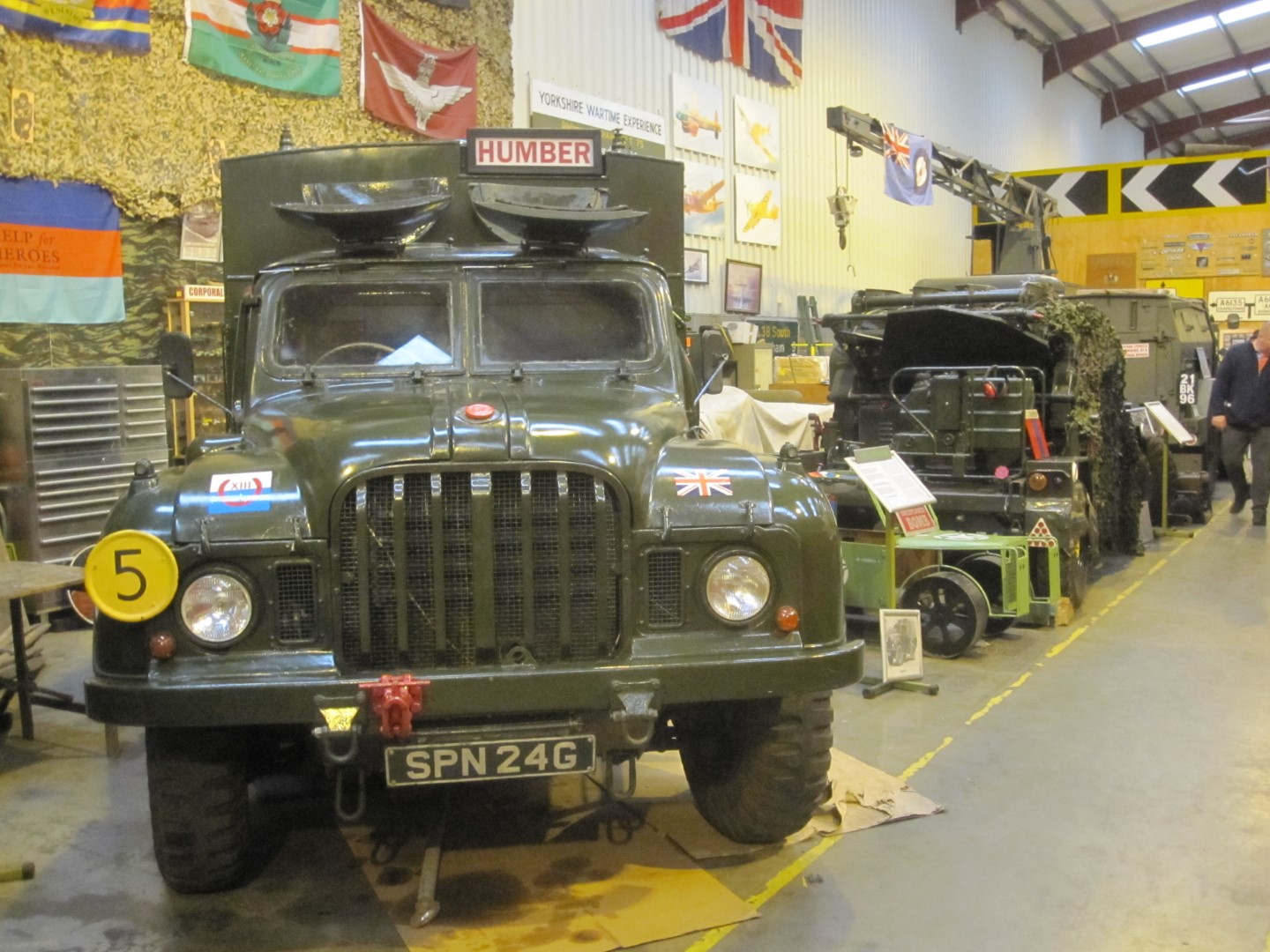
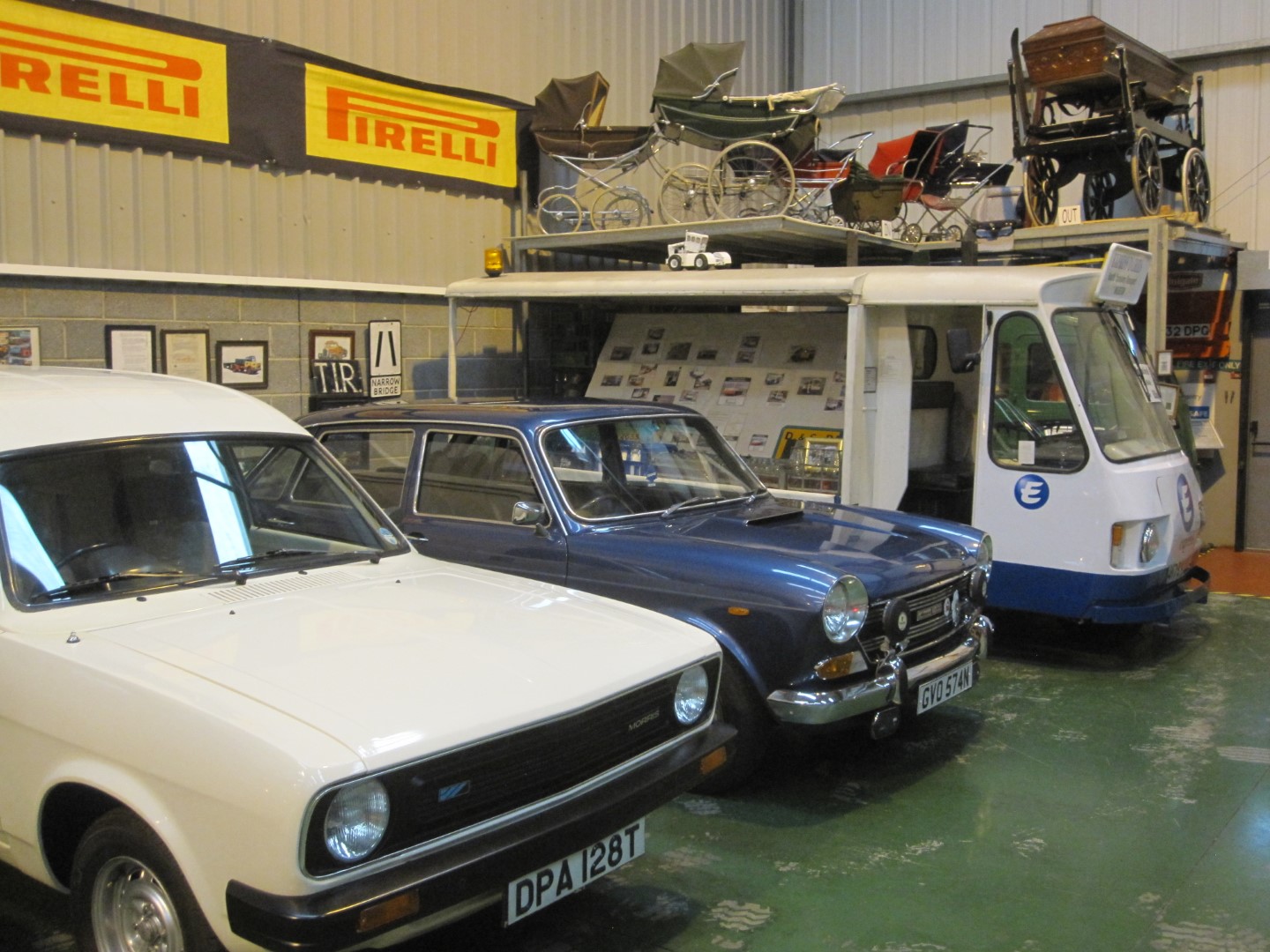
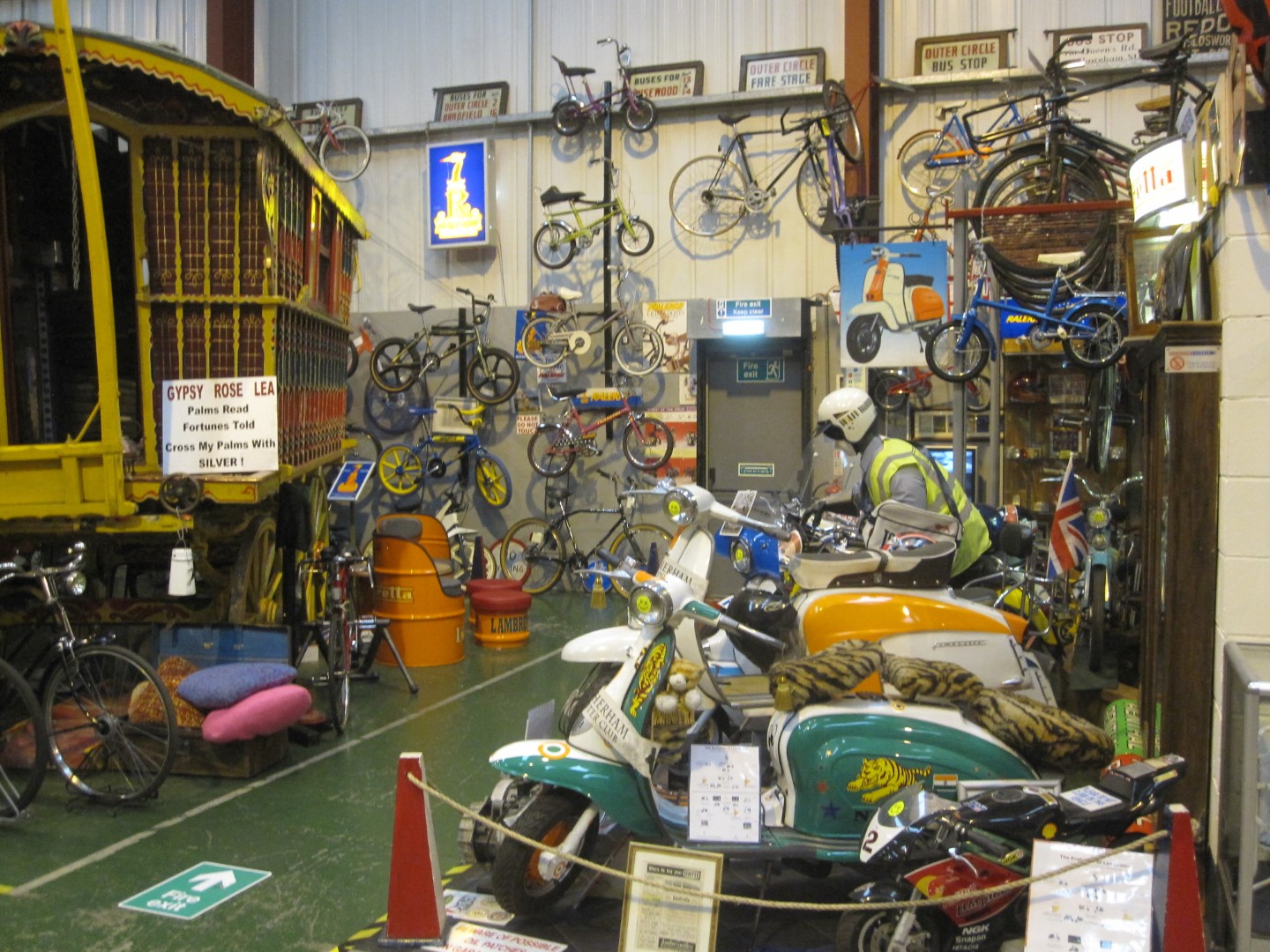
There’s also a mezzanine level given over to naval artefacts including a handful of large, scale-model British warships which any naval museum would be proud to display. An hour and a half was about the right time for me, after which a visit to the cafe would usually have been on the cards. Despite the reasonable prices and enticing slices of cake, the room was a little busier with patrons than I was comfortable being amongst. Slipping back outside I spotted three doubledecker buses and wandered over for a quick look, being reminded of the vehicle in which I did my training to gain my PSV – somewhat more ‘basic’ and less forgiving than the coaches I went on to drive part-time. No bus rides scheduled during the time of my visit unfortunately.