
I’ve passed the former Police, Fire and Ambulance Station at West Bar so many times, failing to appreciate its history nor the purpose into which it has now been pressed. I’d always vaguely assumed it had been a fire station in the past, being unaware of its triple role. In recent years I’d begun to notice signs on the outside indicating it was now a museum, but they were always so understated, I was never sufficiently motivated to make a visit. Today I set the record straight.
I booked a time slot through the online site for the sum of £7 (concession) which, after parking my bike outside the nearby courthouse, was upgraded on arrival to an annual ticket allowing me to revisit any time during the year whilst also providing discounted entry to some of the programmed events and talks.
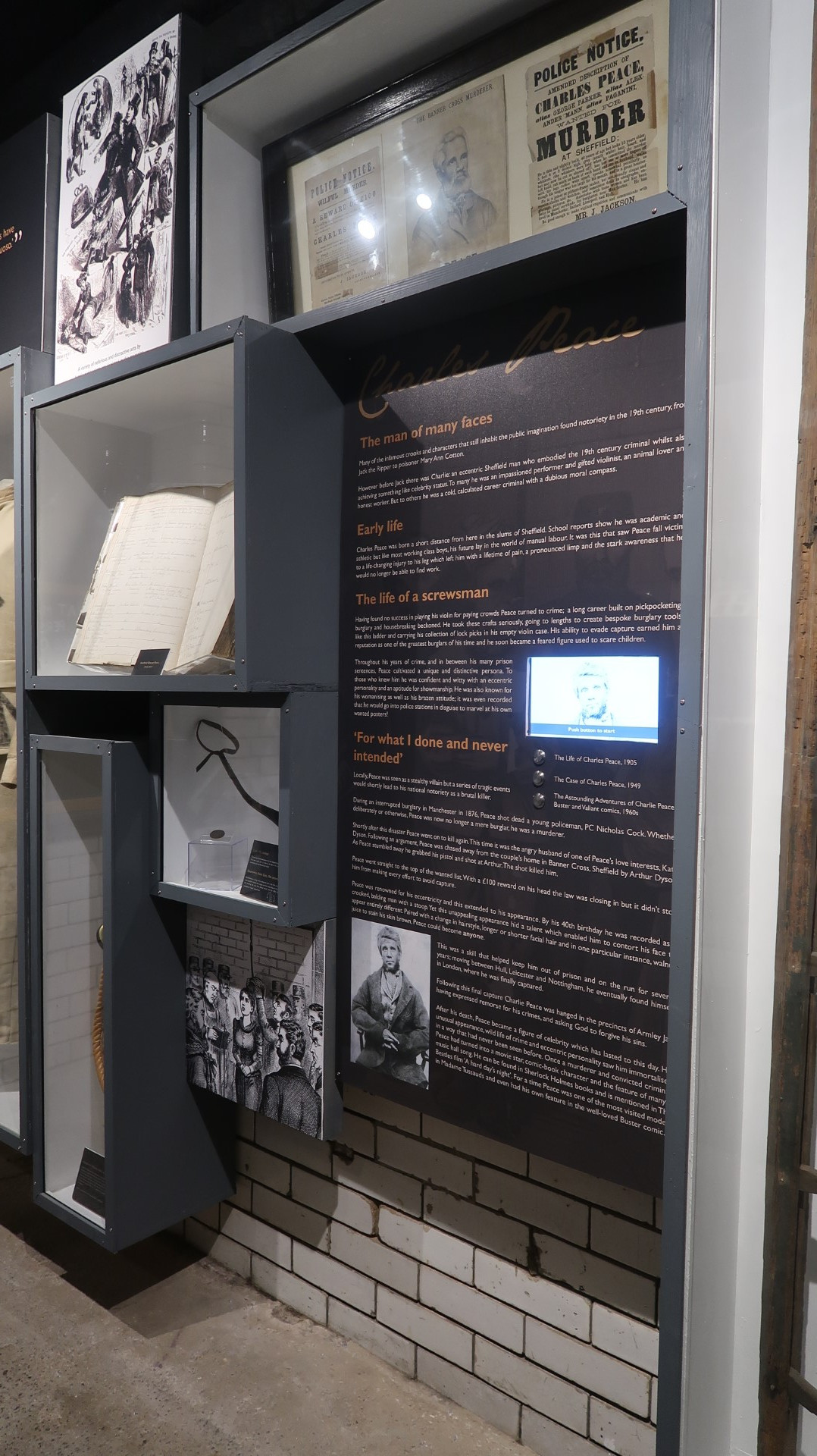
Entry to the museum and the reception area are located in what was originally occupied by the police service and you begin your tour in the tiny charge room and past the cells. There are displays in each of these areas – textual, visual, audio and artefacts – which outline 19th century crime and punishment, including one of Sheffield’s most notorious villains, Charlie Peace. As a child I remember reading stories about him in the Buster, one of the many comics around at the time. I seem to remember him being portrayed as more of an Artful Dodger character than the villain that his police record suggests.
The ‘Police Gallery’ is housed in what was once the stables but now provides the home for a display of police vehicles, most of which were in service during my youth – I remember my brother’s second car was a Rover 3500 V8. Sadly, during my motorcycling years I never graduated as far as a big BMW.


The ‘Blood, bandages and Blue Lights’ exhibition comes next in what used to be the courtyard which still retains its cobbled floor. This is where Sheffield’s first free ambulance was stationed, but is now home to this exhibition telling the story of the development of the UK ambulance service.

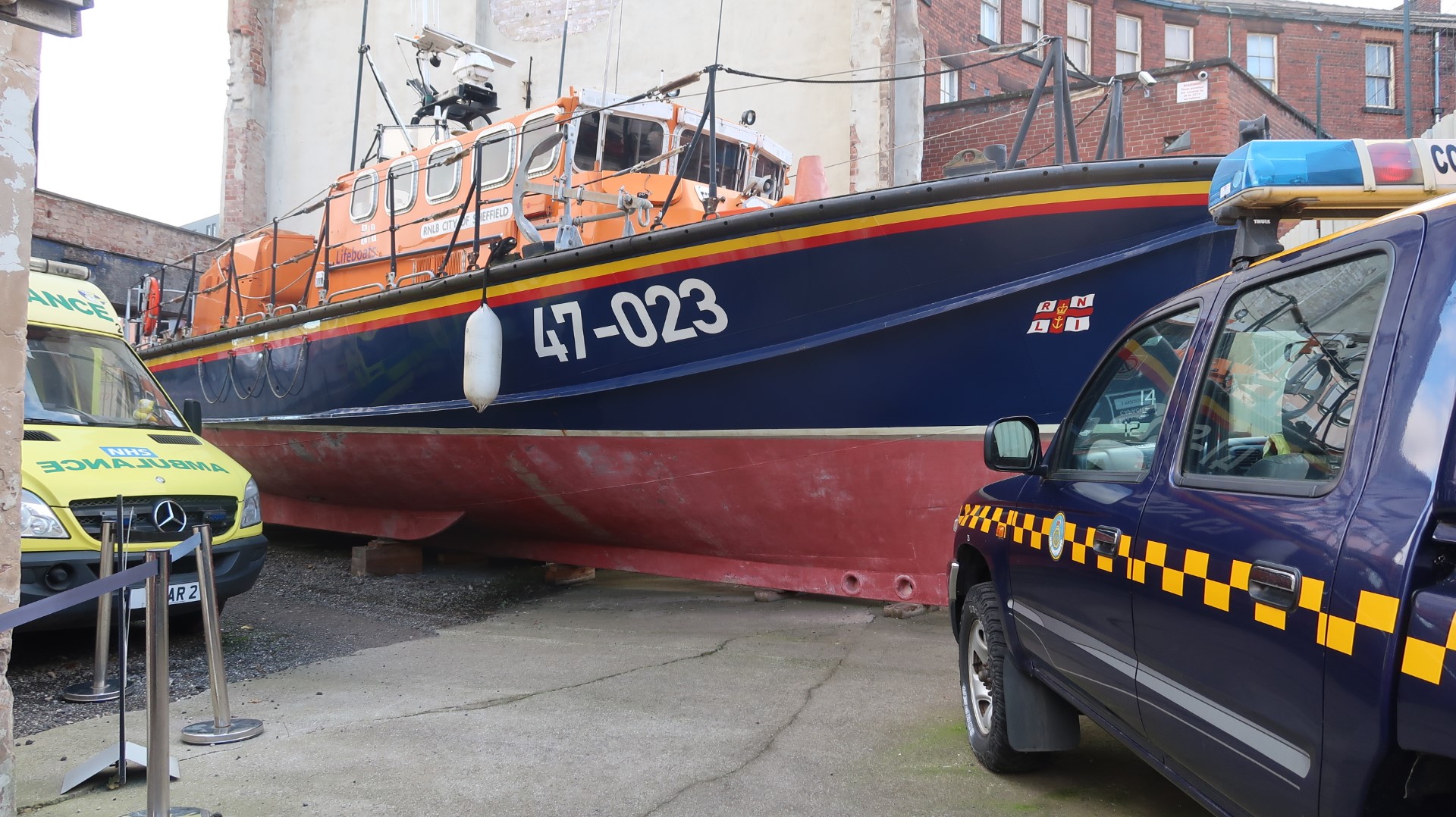
Nipping outside to the ‘Outdoor Zone’ reveals a wide range of vehicles from across the emergency services, not just ambulances, fire engines and police vehicles, but also a mines rescue van and RNLI lifeboat. A couple you can view inside, but many are awaiting restoration.
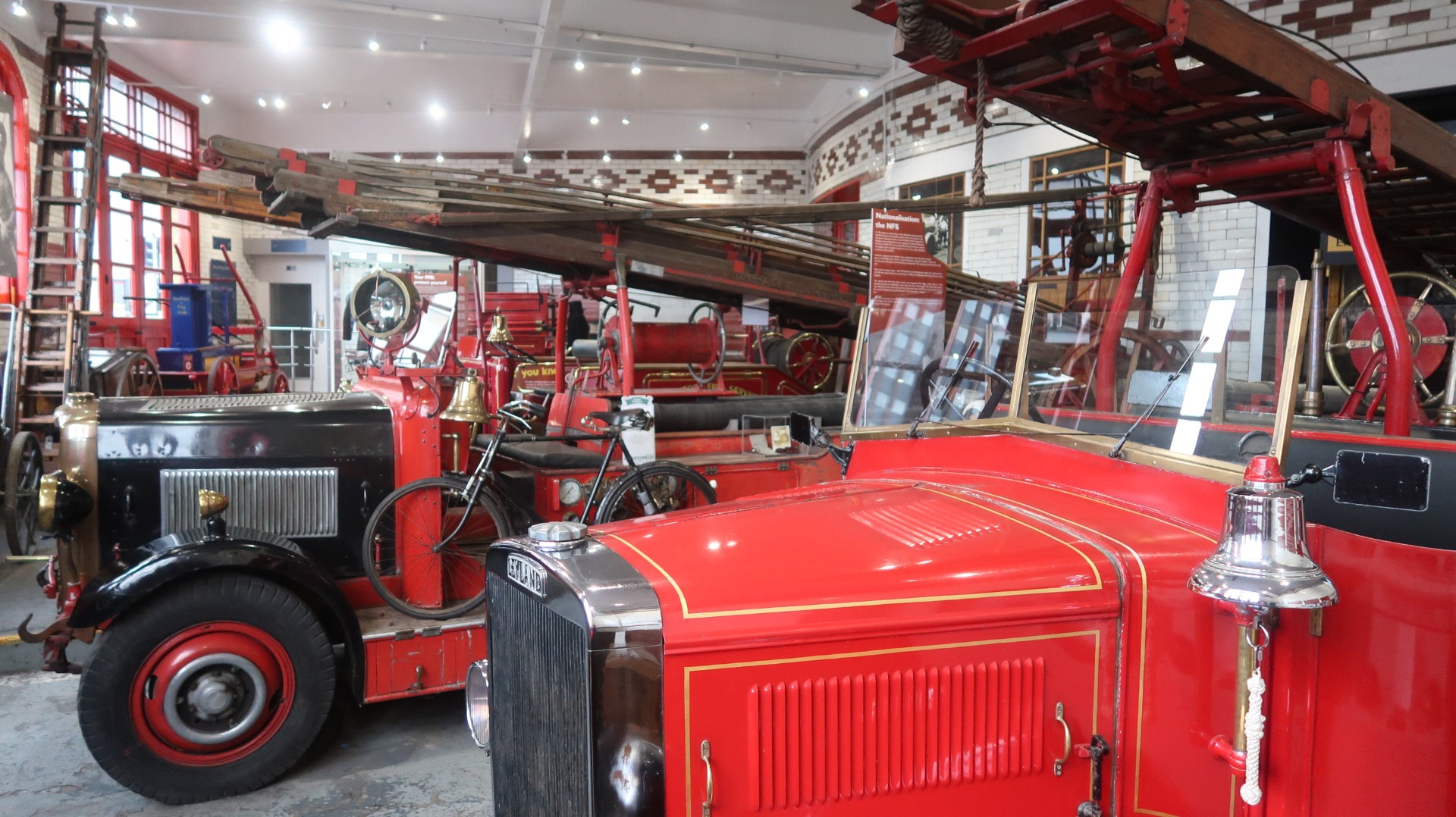
Returning inside and after a small section devoted to the emergency services during the Blitz, you then pass into the Engine House, what I would have called the actual fire station, with the tall, wide doors which swing open to release the engines to answer emergency calls. On display here are a range of fire engines through the ages.
The fire service theme is continued on the first floor with the ‘Fiery Blaze to Fire Brigades’ display telling the story of the history of the development of the fire service from the time of the Great Fire of London.
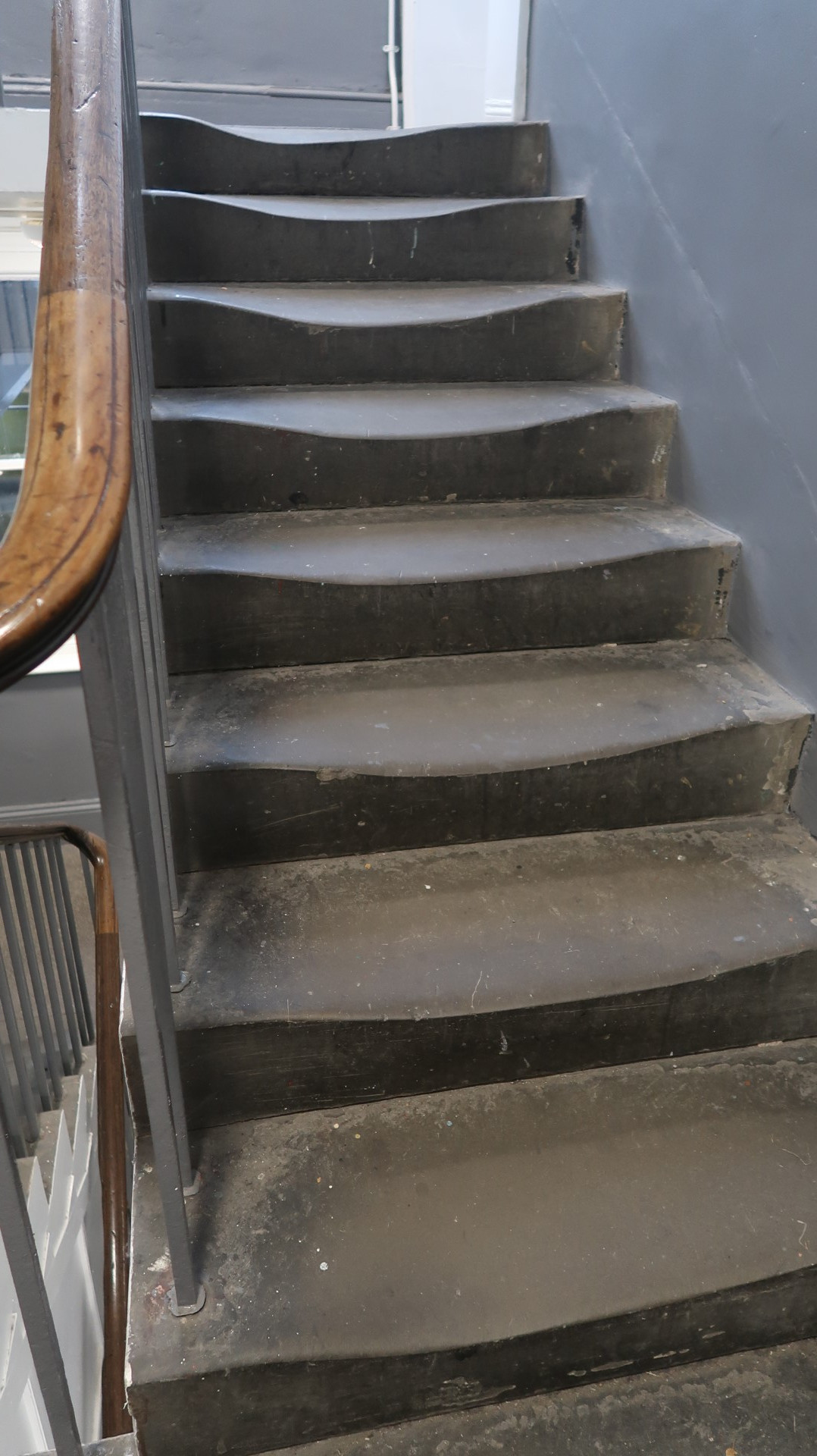
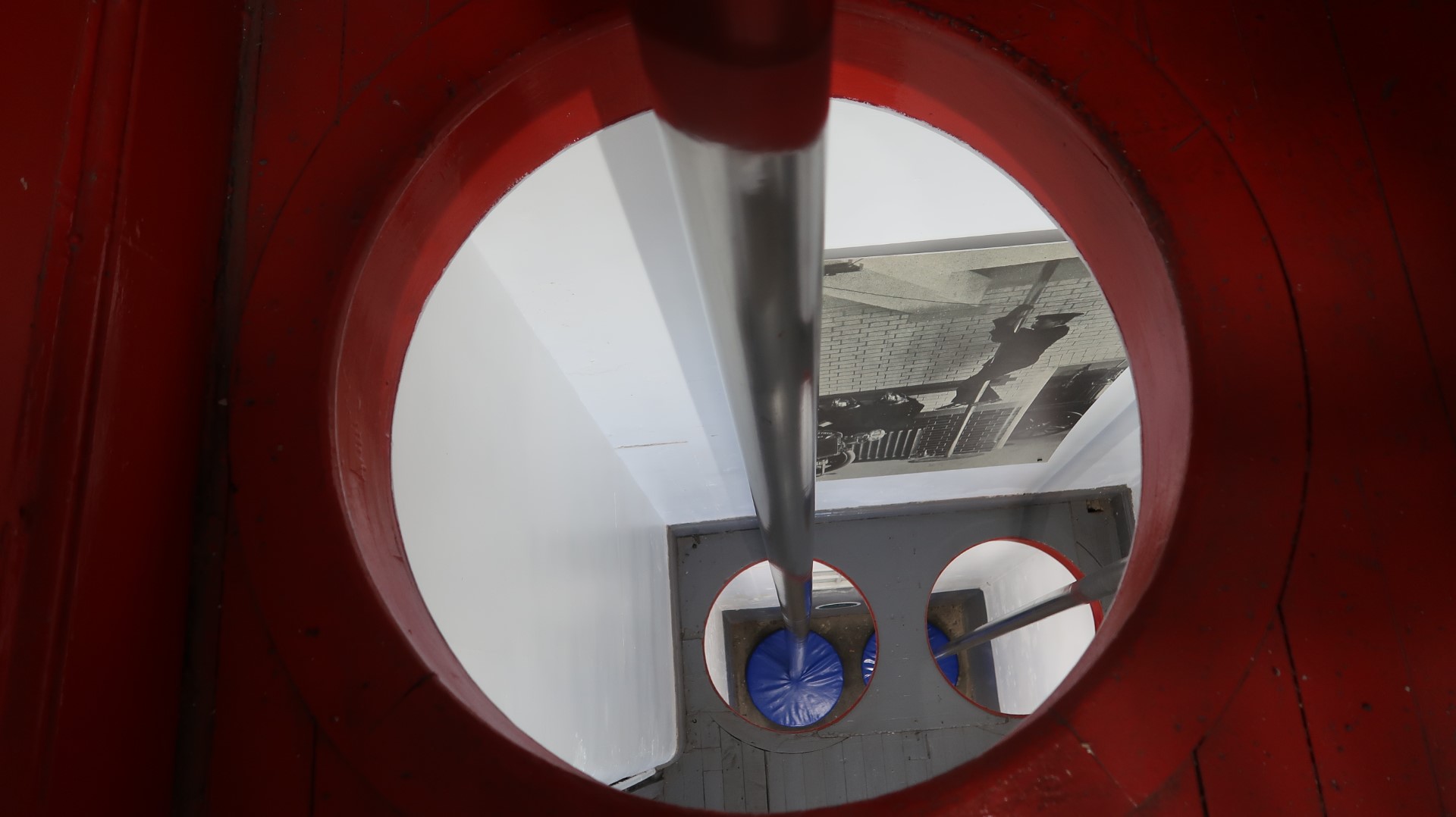
Located on the floor above is what was formerly the accommodation for the police and firemen who were permanently stationed here. Their living quarters and bedrooms are now given over to house displays on today’s emergency services. With my visit all but complete, I desperately wanted to slide down the fireman’s pole back to the ground floor, but alas (and understandably!) that’s not allowed.
Before leaving the museum I popped in the cafe for a coffee – it was the former tack room for the stables. I was entertained during my rest by a wall-mounted display screen showing an episode of Trumpton with the firemen hard at work. C’mon, we all know it “Pugh, Pugh, Barney McGrew, Cuthbert, Dibble, Grubb.”
There were a couple of features of the museum which I found particularly attractive. Firstly, that it was located inside the very building where many of the exhibits might have once been seen in action and where the service people conducted their business. For me, this is far more evocative than a purpose-built museum which has no relationship to the exhibits it displays and the stories it tells. Secondly, although it’s only a simple thing, being able to get on and in some of the vehicles and sit where servicepeople might once have sat again helps to give substance to the images you try to conjure of what their working lives might have been like. However, one aspect which could be improved was the voice narration for some of the exhibits – the actor wasn’t a particularly convincing Sheffielder! It might also have enhanced the tour if some exhibits had been supplemented with audio interviews with fire- or policemen who were stationed there, if indeed there are any surviving.
Since I now have a pass for the next 12 months, I’m sure I’ll return for another look or to attend one of the special events or talks.