I have no excuses for why it’s taken me so long to visit the museum, especially given how long Sheffield has been graced by its presence, and considering the subject matter on which it is themed I’d doubtless find interesting:
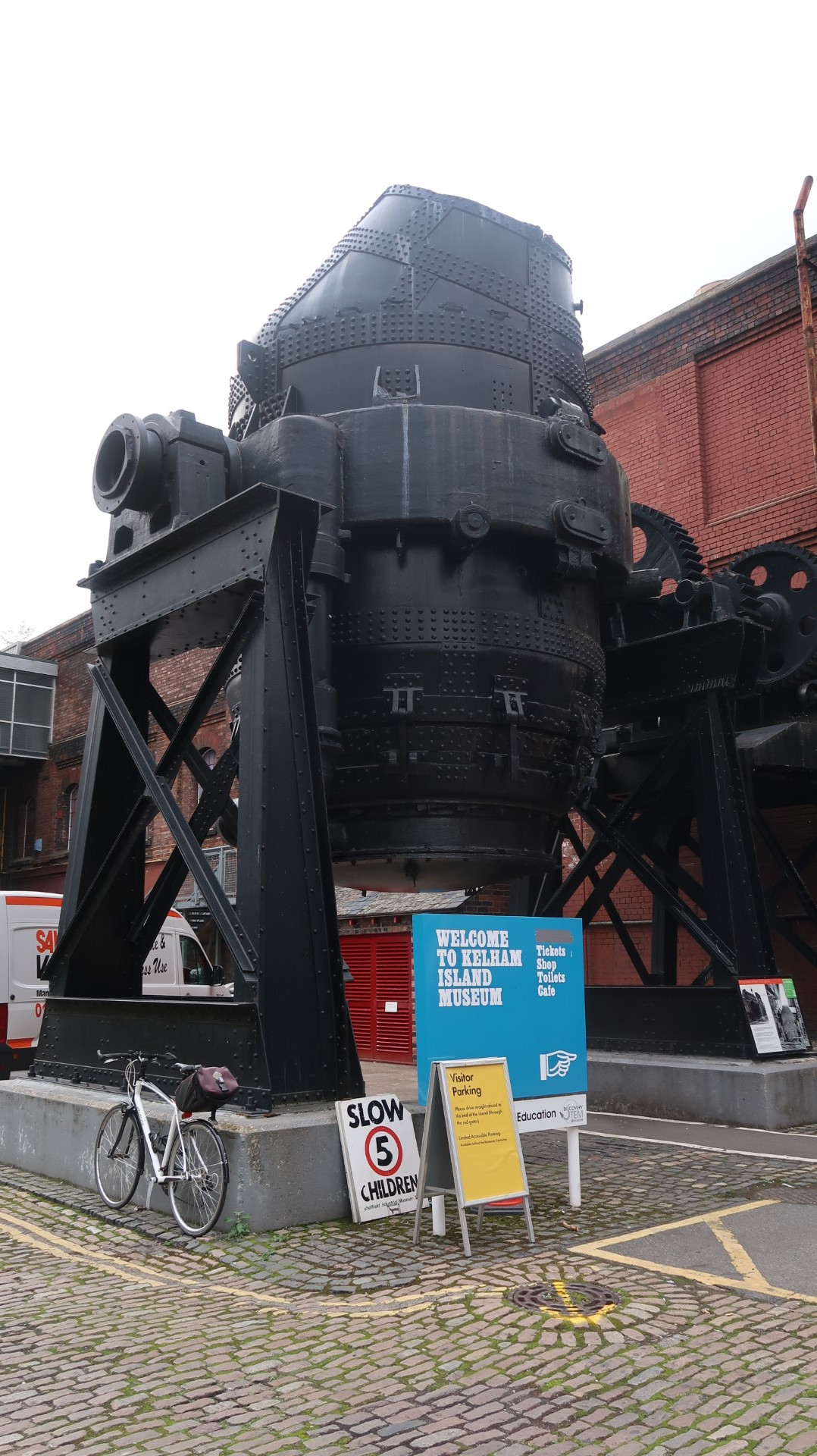
Kelham Island Museum was opened in 1982 to house the objects, pictures and archive material representing Sheffield’s industrial history. Our interactive galleries tell the story from light trades and skilled workmanship to mass production and what it was like to live and work in Sheffield during the Industrial Revolution.
http://www.simt.co.uk/kelham-island-museum
Thanks to my new found quest for XPs, it was time to put things right.
I arrived shortly after ten, the museum’s opening time, but was disappointed to find no bike stands and had to fix the bike to the frame of a metal staircase. A curious omission in this day and age, or perhaps I’d simply failed to spot the bike racks. Entry to the museum is free, although donations are invited; tap and pay by credit card made this easy – I was in!
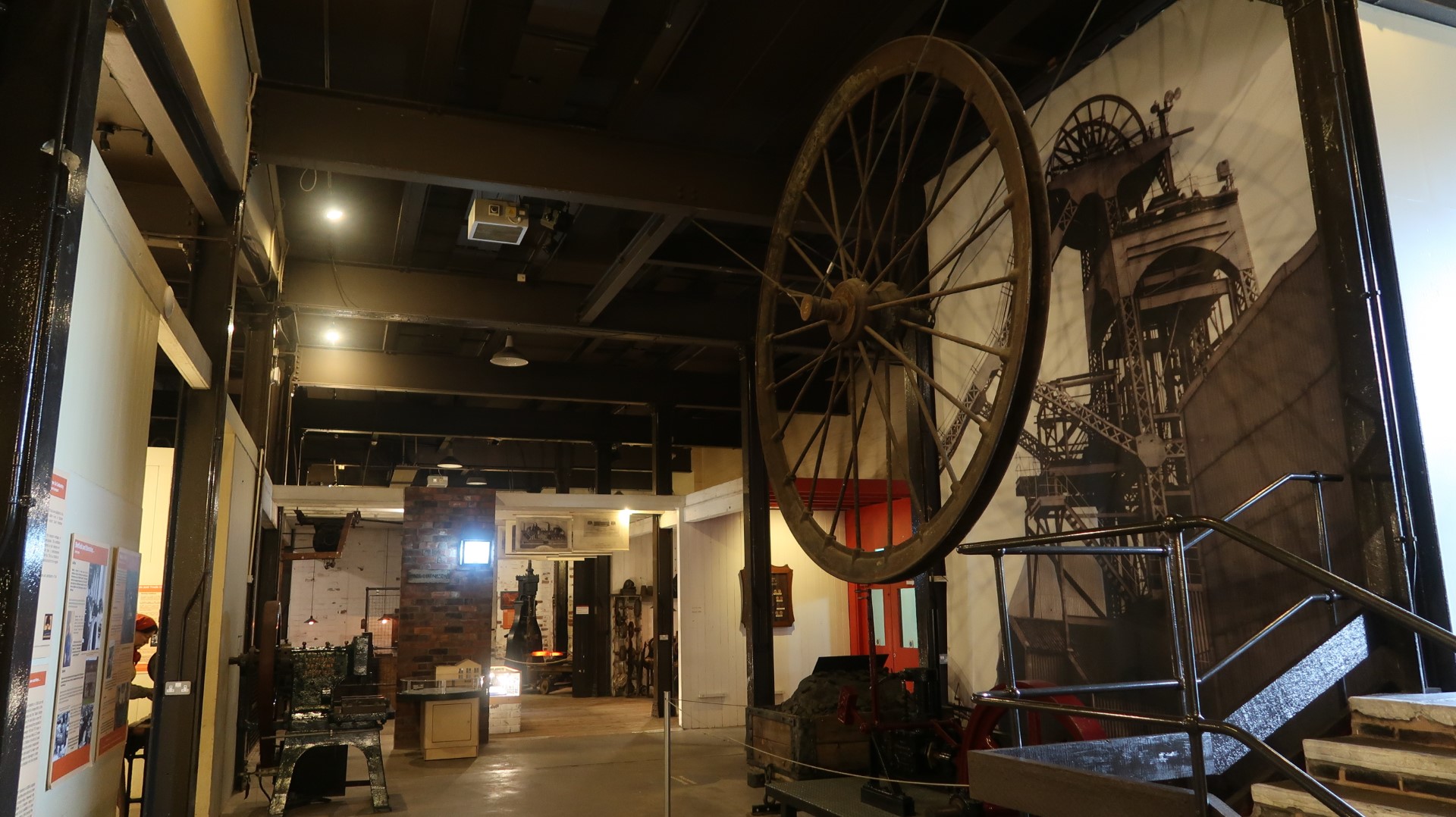
The collection is unsurprisingly housed on the site of a former iron foundry which produced the raw materials for a number of products, including serendipitously, bicycles. The iron works are long gone and the home for the museum is the building complex which served as an electricity generating station for the city’s trams. The main hall in which the reception is housed includes exhibits large and small, from stainless steel surgical instruments, to the machines which processed the steel into the wealth of products upon which we have come to depend. The arrangement of the artefacts helps to tell the story of iron and steelmaking in Sheffield, the city which contributed so much to the development of steelmaking as a successful industry. That story included the technological, the political, but importantly for me, the social history which ran alongside the developments.
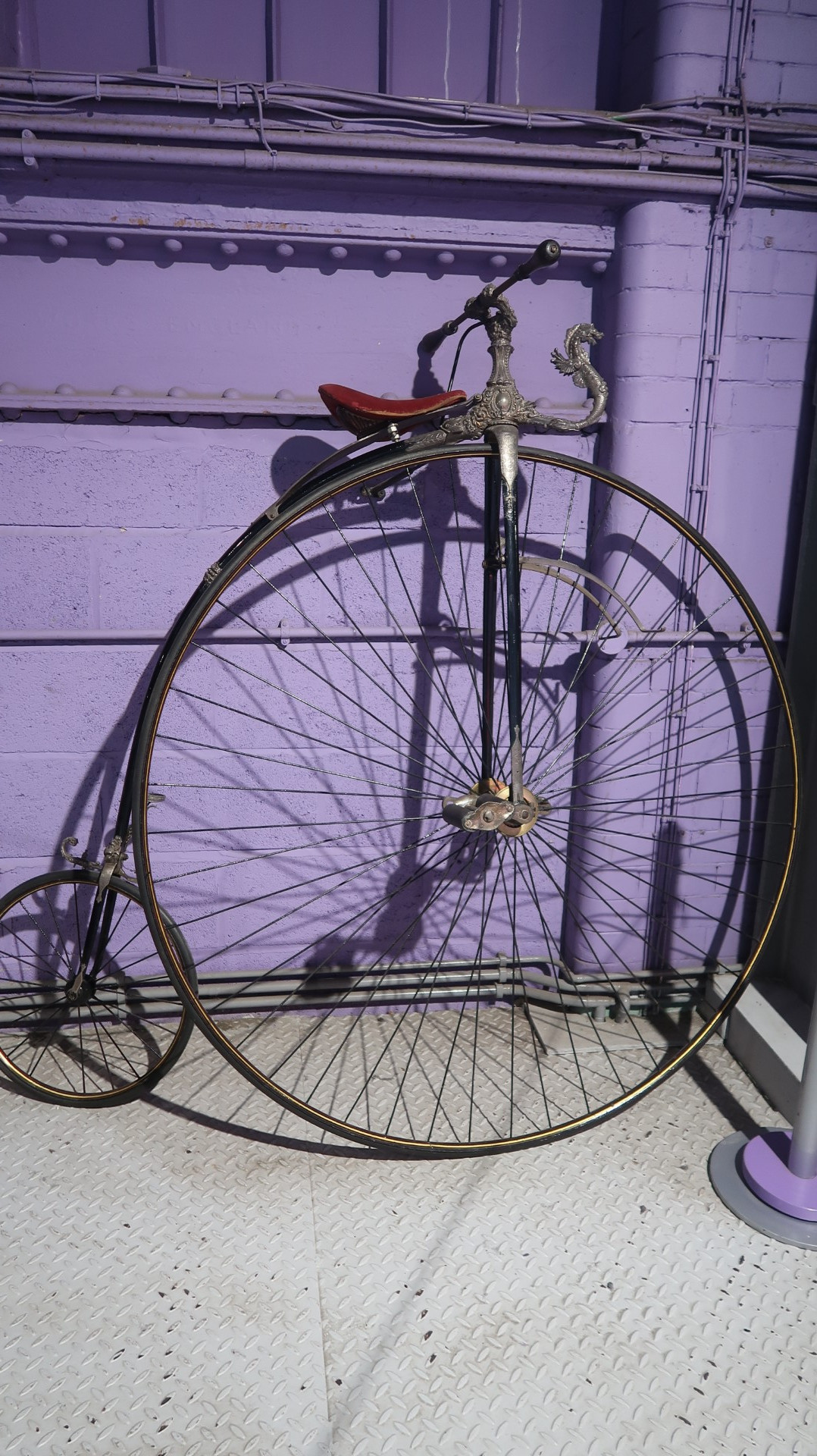
Exhibits which contribute towards these interwoven threads provide the backbone and the strength of the museum for me, whereas some of the peripheral sections are arguably in need of further development. The transport gallery upstairs has a mere handful of exhibits which feel randomly assembled rather than to produce a coherent narrative. Perhaps they were donations, rather than brought together by a particular strategy?
The Victorian housing section is similarly sparse and lacking the detail that other similar displays, such as the Porters Row cottages at the National Waterways Museum at Ellesmere Port.
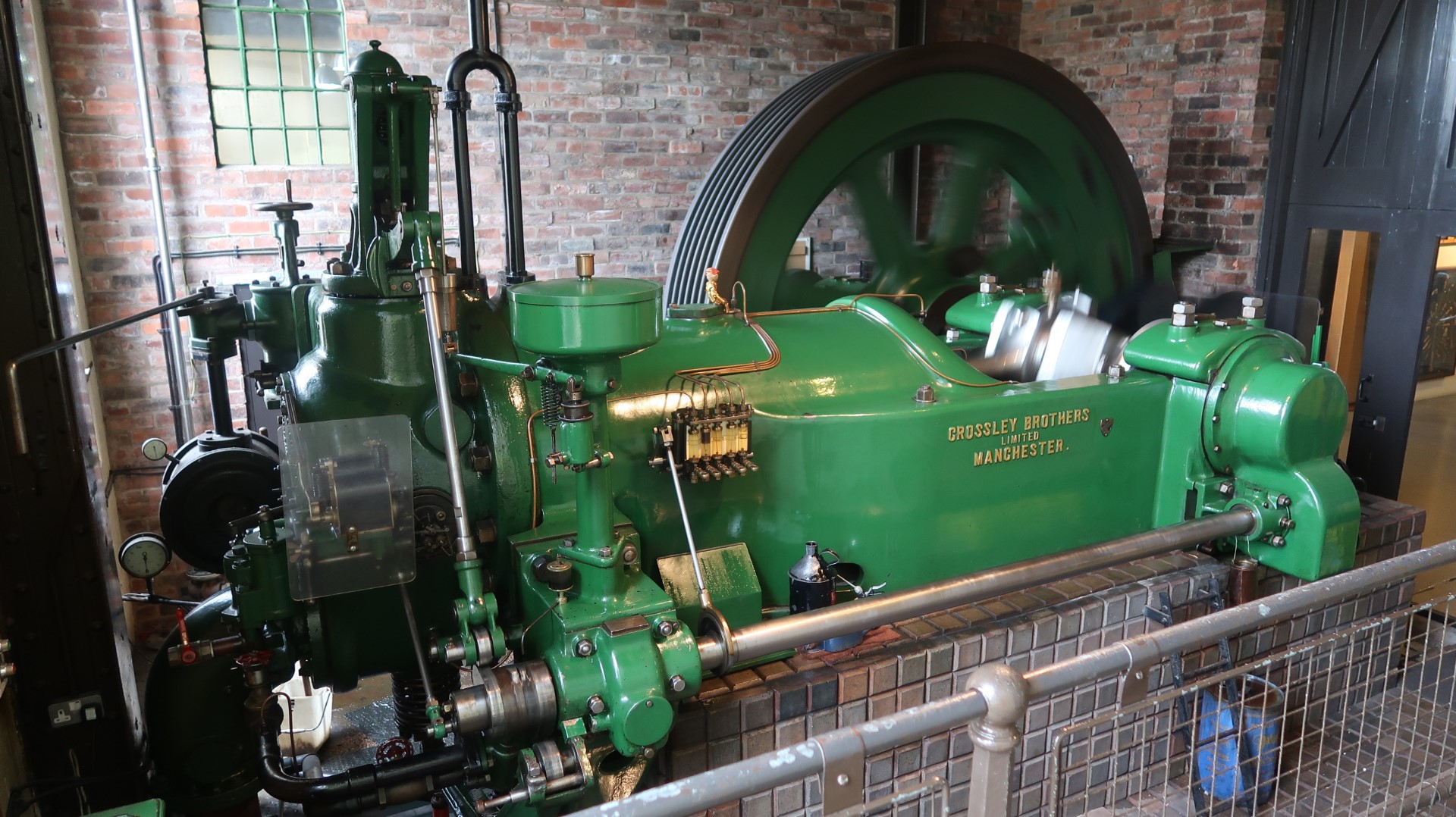
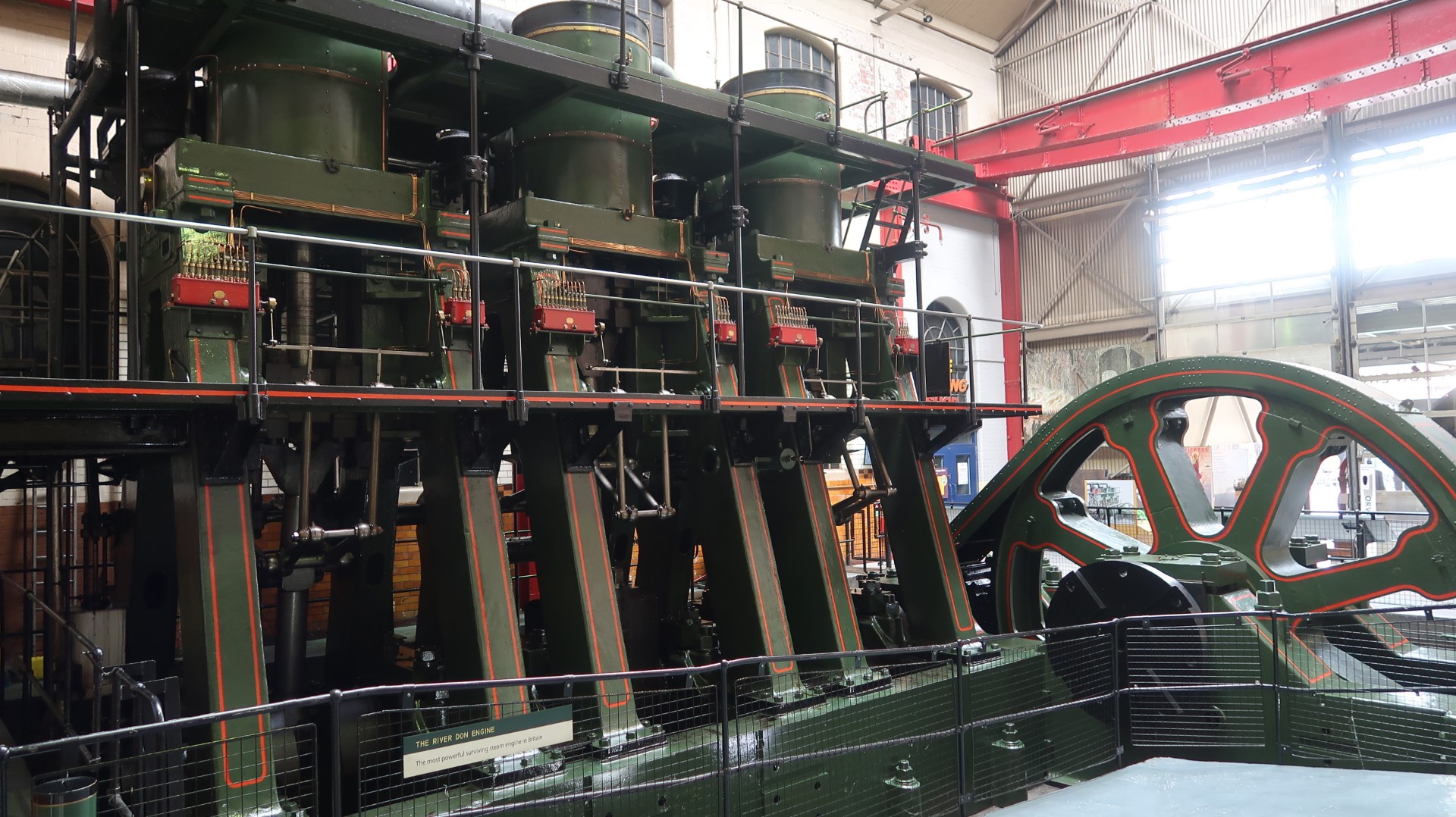
The great strength of the museum though is in some of the colossal machinery upon which steel processing relies. The Crossley Gas Engine display is an excellent working example which gives a small sense of what working around such machinery might have been like, but it pales when compared with the museum’s pride and joy, the mighty River Don Engine.
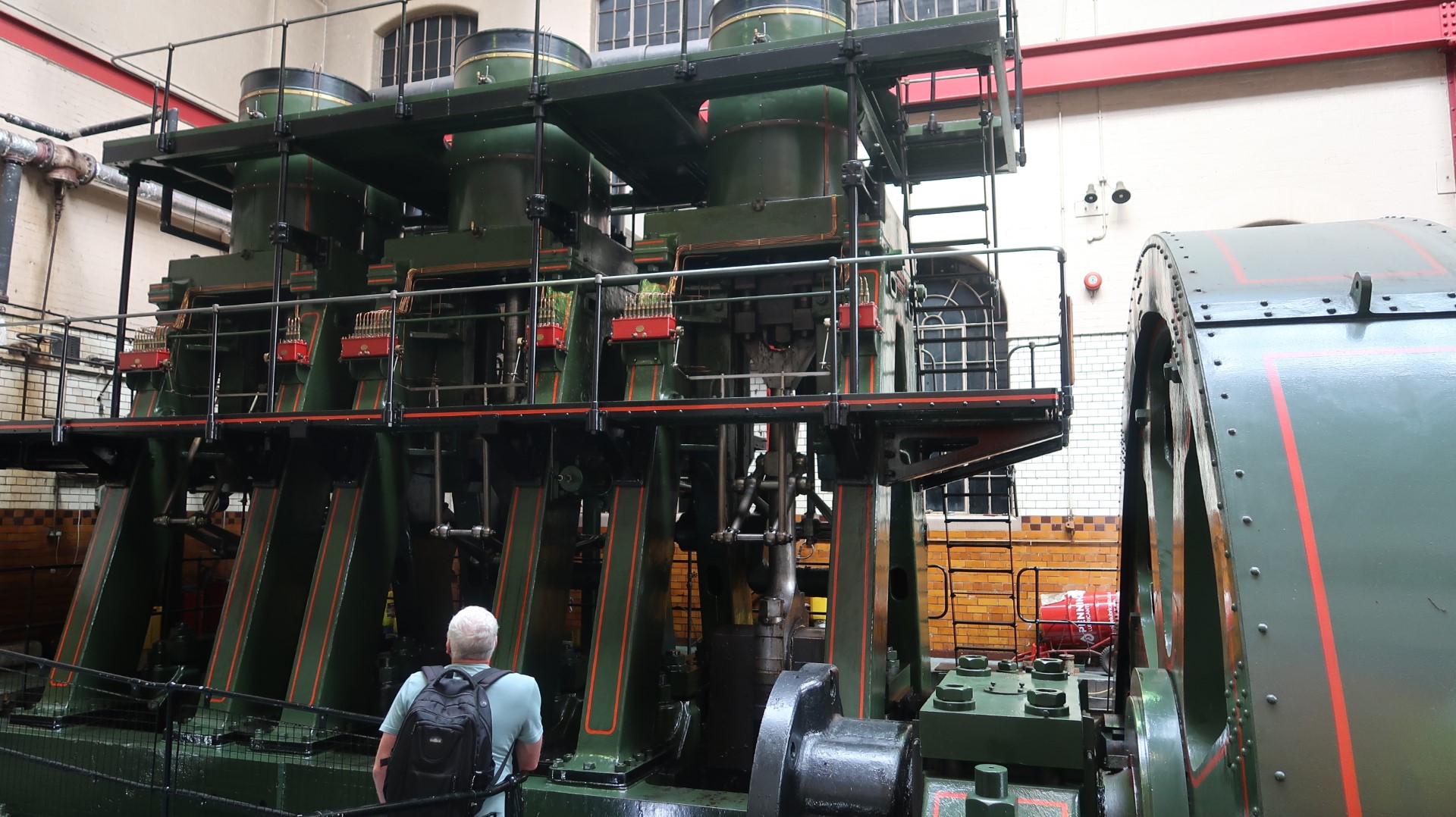
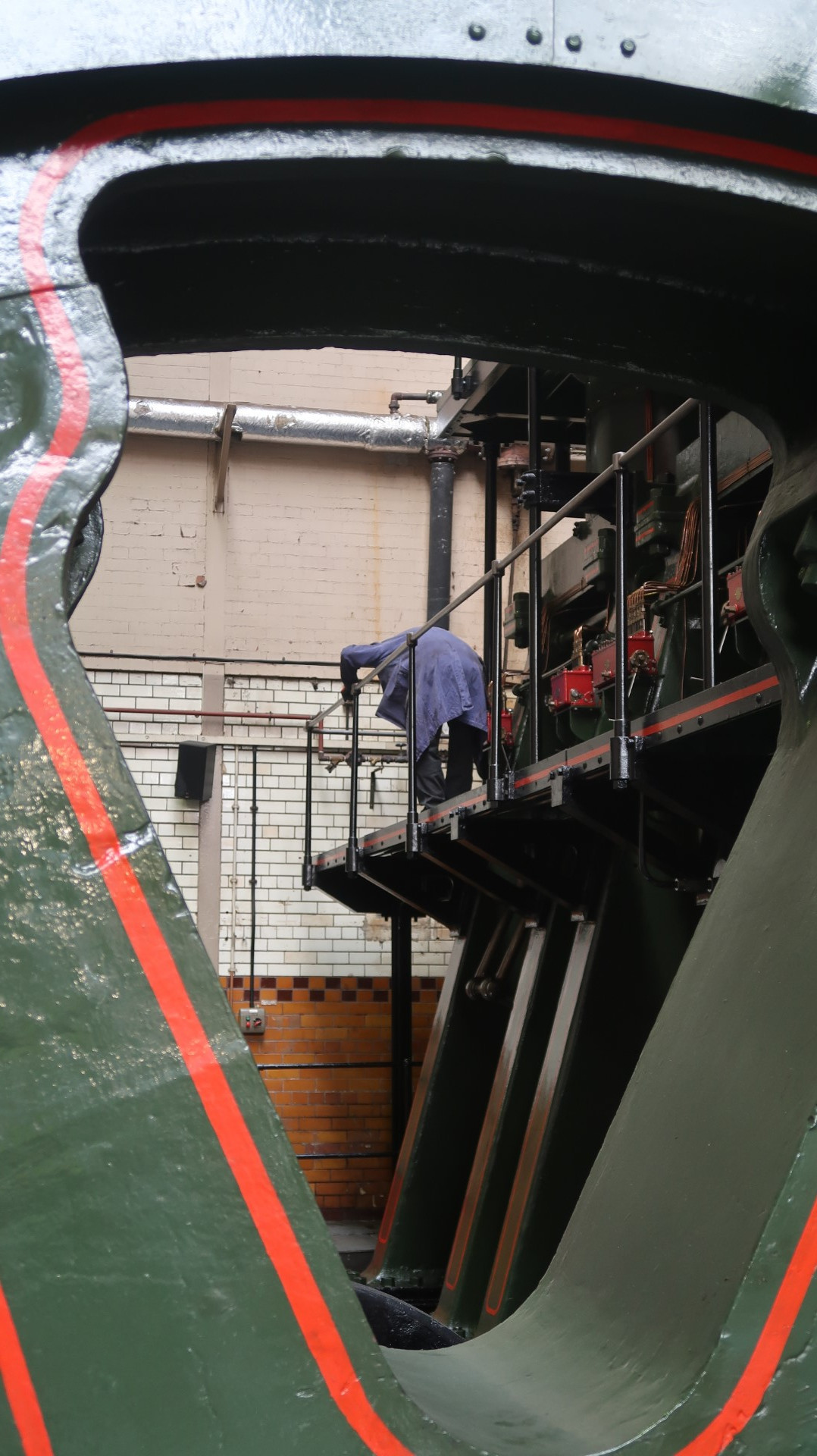
This behemoth, developed for rolling armour plate and commissioned in 1905, is run twice daily and seeing it in operation is not to be missed. The scale and capability is quite staggering and seeing the speed at which it can run, then reverse direction, is quite breathtaking. Being able to see it still in operation, albeit no longer serving a rolling mill, conjures so many questions for me – how did people at the time design and build such a machine? What was the environment in which it spent its days actually like; much noisier and dirtier than the museum obviously? What must it have been like to work alongside it for an eight hour shift?
The human aspect of this industry was brought home to me by one small paragraph on a display board alongside one particular exhibit showing a forge hand at work.
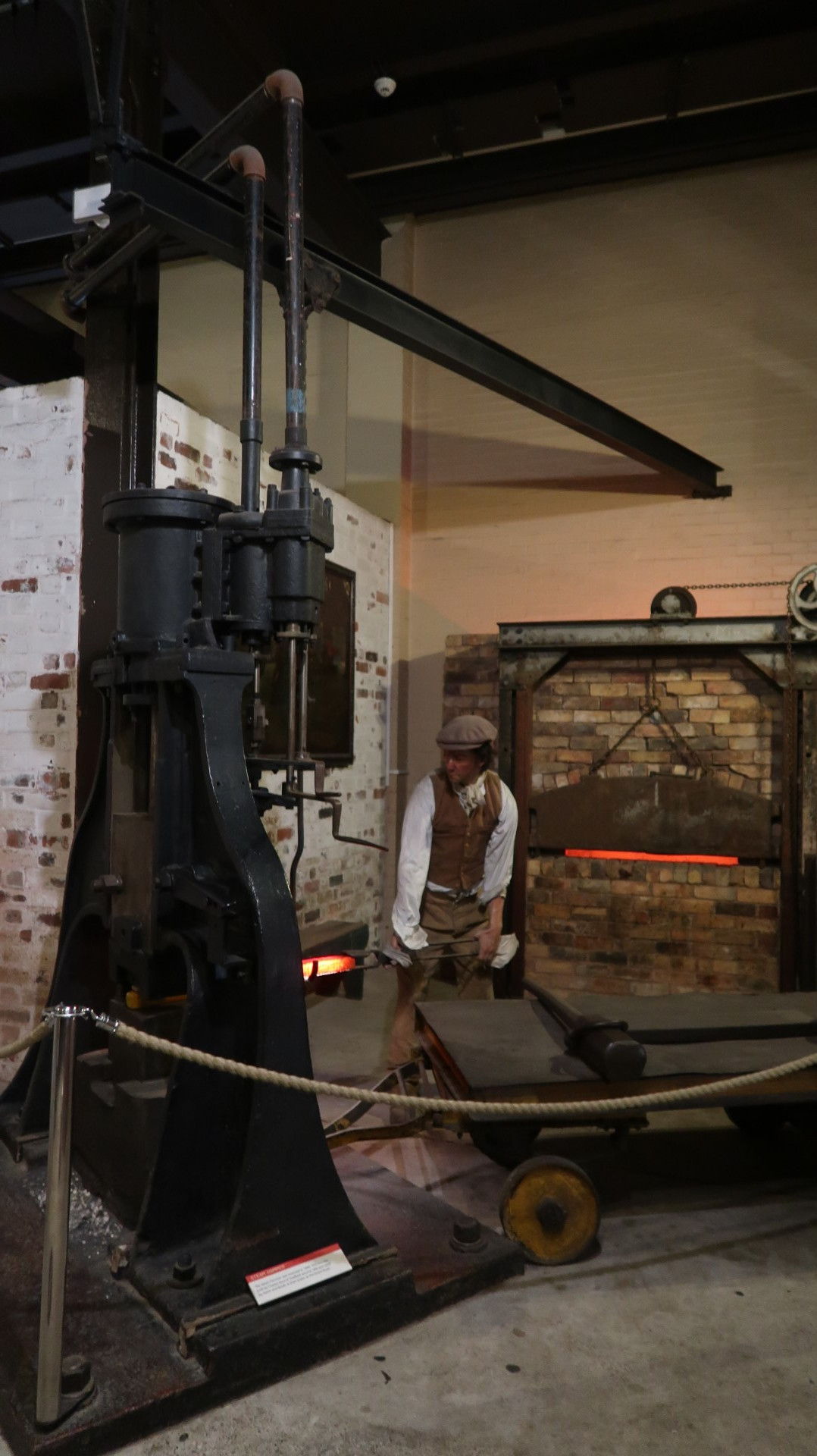
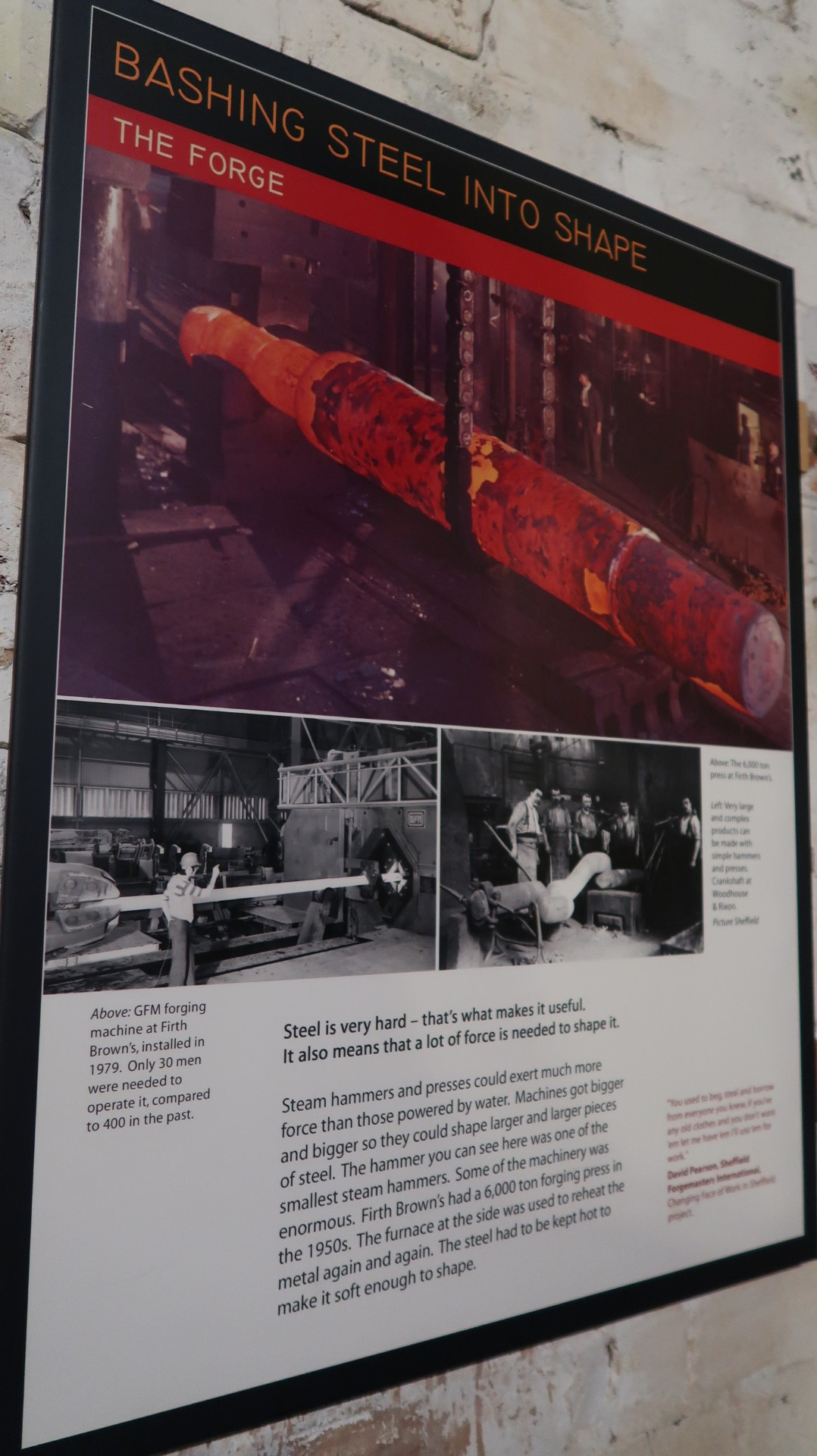
GM forging machine at Firth Brown’s, installed in 1979. Only thirty men were needed to operate it compared with 400 in the past.
My dad was one of the 360 who were made redundant as a result of that machine. (To be fair, he was 62 years old at the time and was happy to take the (modest) redundancy payment. That did little to help the hearing loss he had suffered over the years of bashing big lumps of metal in a forge).
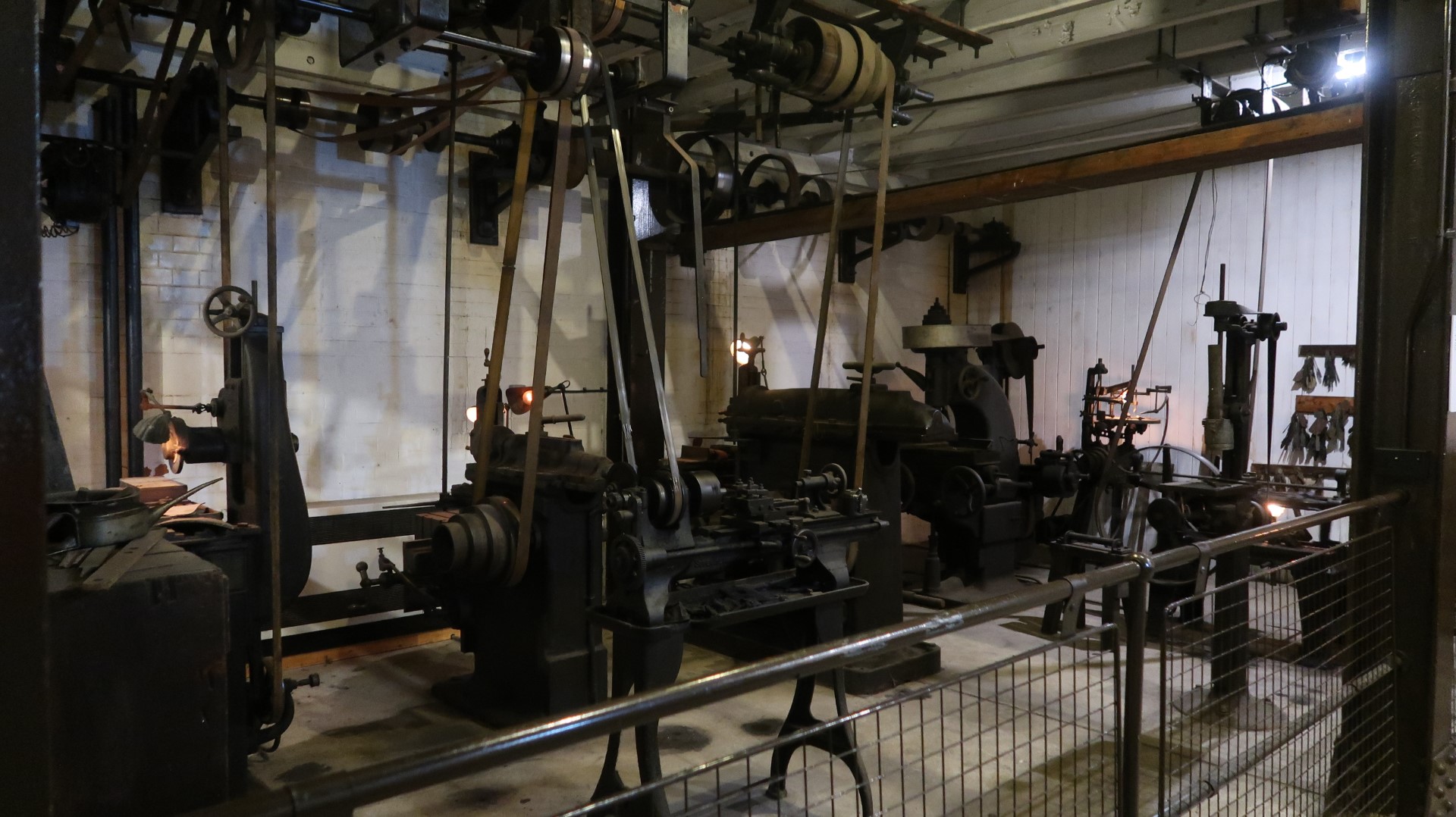
Another breed of men in terminal decline are the ‘Little Mesters’, those skilled individuals often associated with the production and finishing of small scale products such as cutlery, who worked in their own premises. The museum housed workshops for the last remaining ‘Little Mesters’ to display their craft and skills. It would seem that only one of the three maestros is still with us, the other two workshops still viewable, but now gathering dust as their occupants have gone to the foundry above.
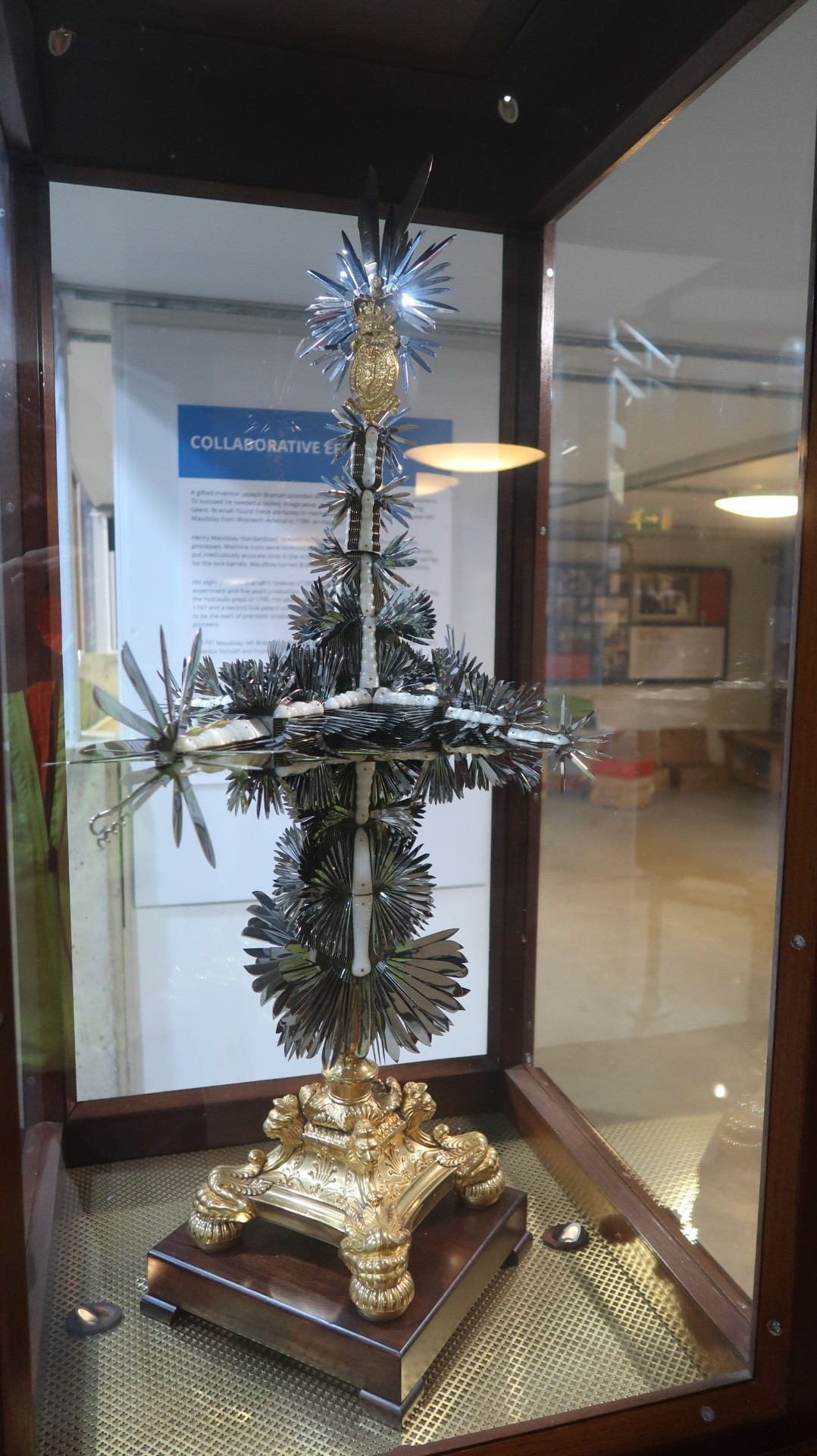
One visit I was delighted to see was the Year Knife, an artefact I think I first became aware of from a postcard.. Commenced in 1822 by Joseph Rodgers, a renowned Sheffield cutler, a new blade was added each year up until the recent Millenium when the 2000th blade was added.
A visit to the cafe brought my three hour visit to a close, but on flicking through one of the tourist information leaflets I picked up marking ‘Off the Shelf’, Sheffield’s annual literary festival, sparked in me another potential XP available in the next few days.