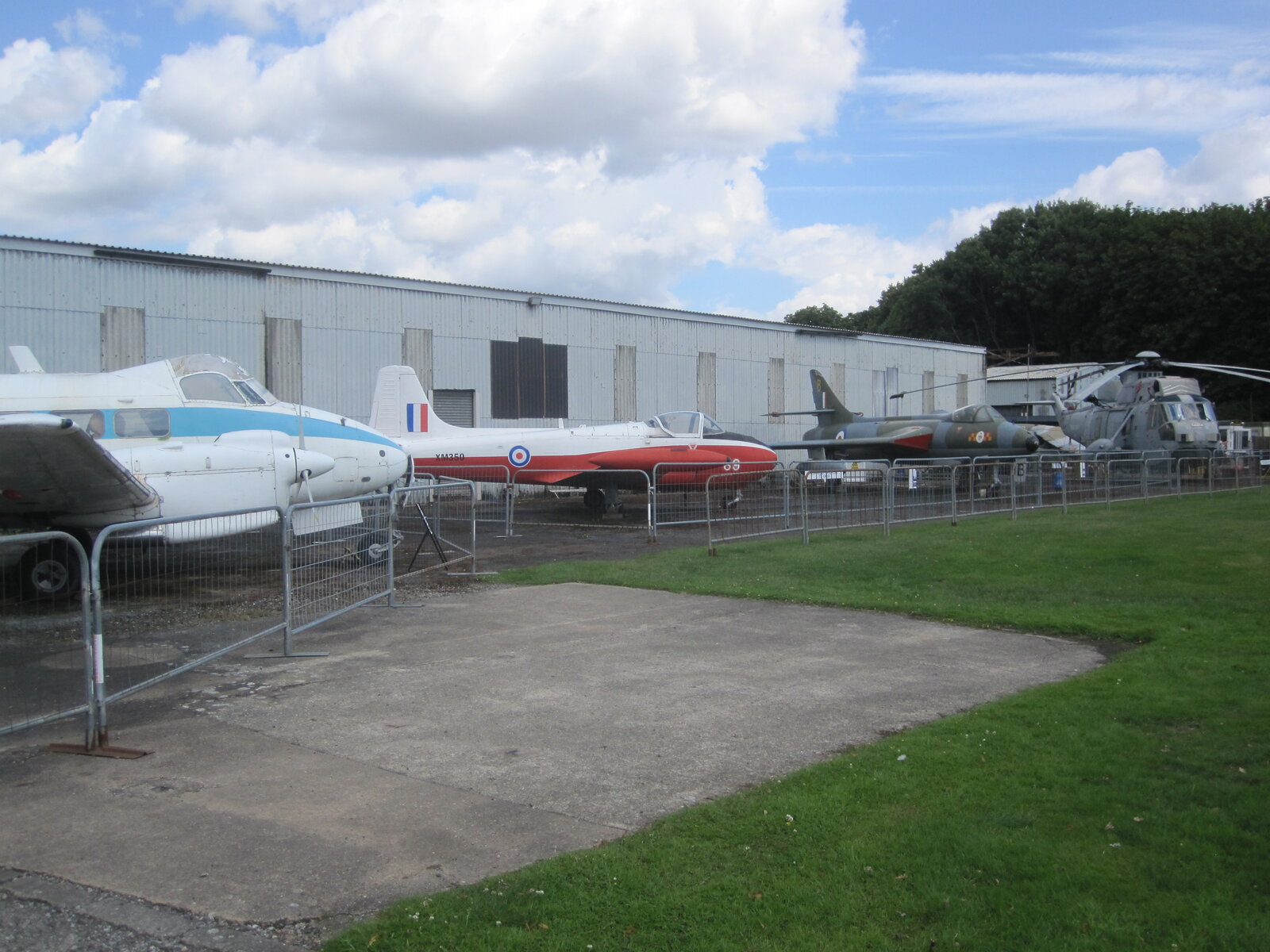
As I’d been scrolling across a cycle,travel map of the local area looking for new routes I spotted an icon indicating the South Yorkshire Aircraft Museum. I’d spotted this before and intended to visit one day but didn’t seem to get around to it. Time to put that right.

The museum is now located near the Lakeside complex in Doncaster, although I subsequently learned was originally in Firbeck – no more than a few miles away, a place I pass frequently and through which I’d cycled on my way there. I’m pretty sure in the past I saw one of the brown tourist signs indicating the museum’s presence but again, just never got round to visiting. I guess I was working in those days though.
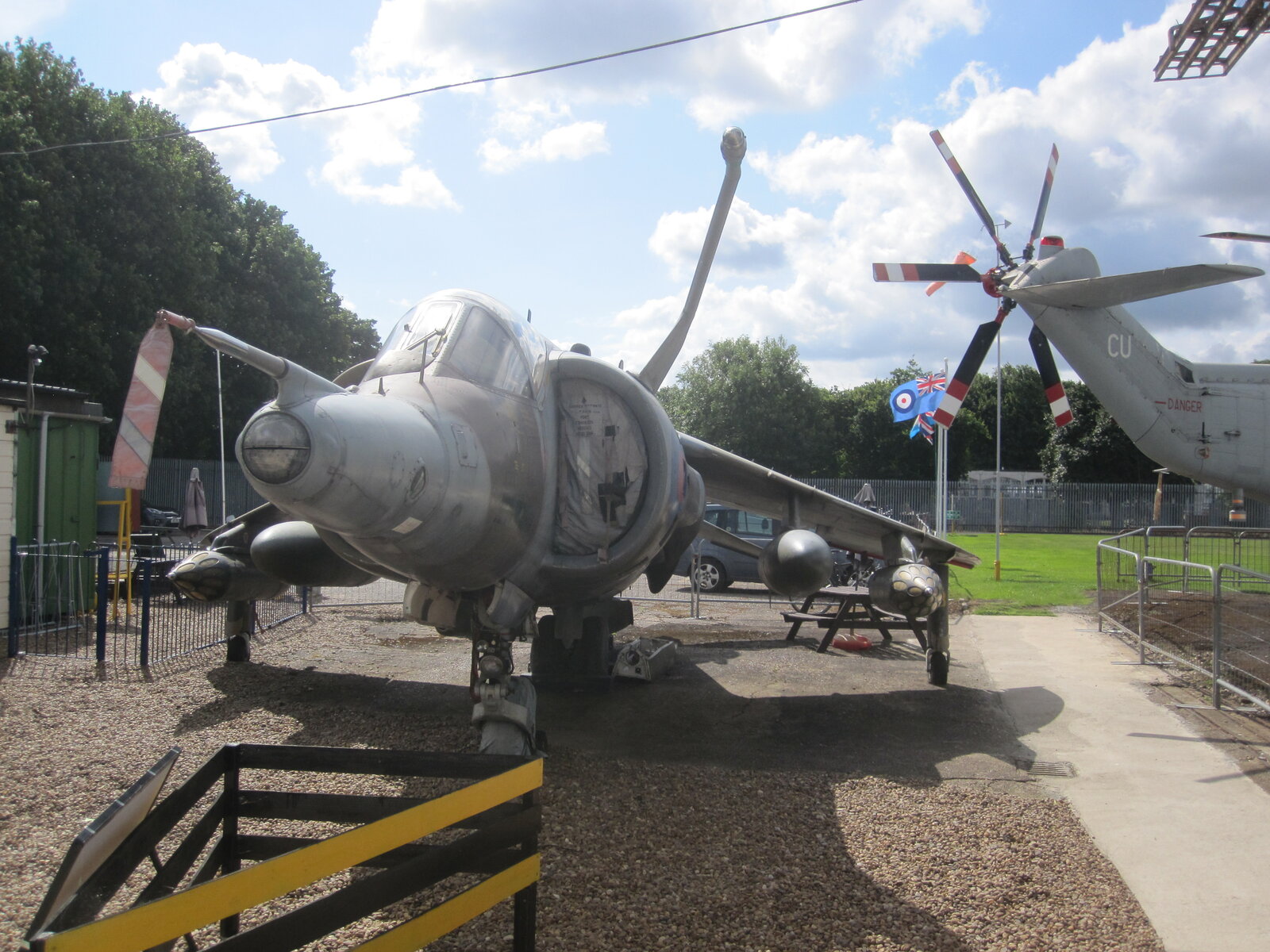
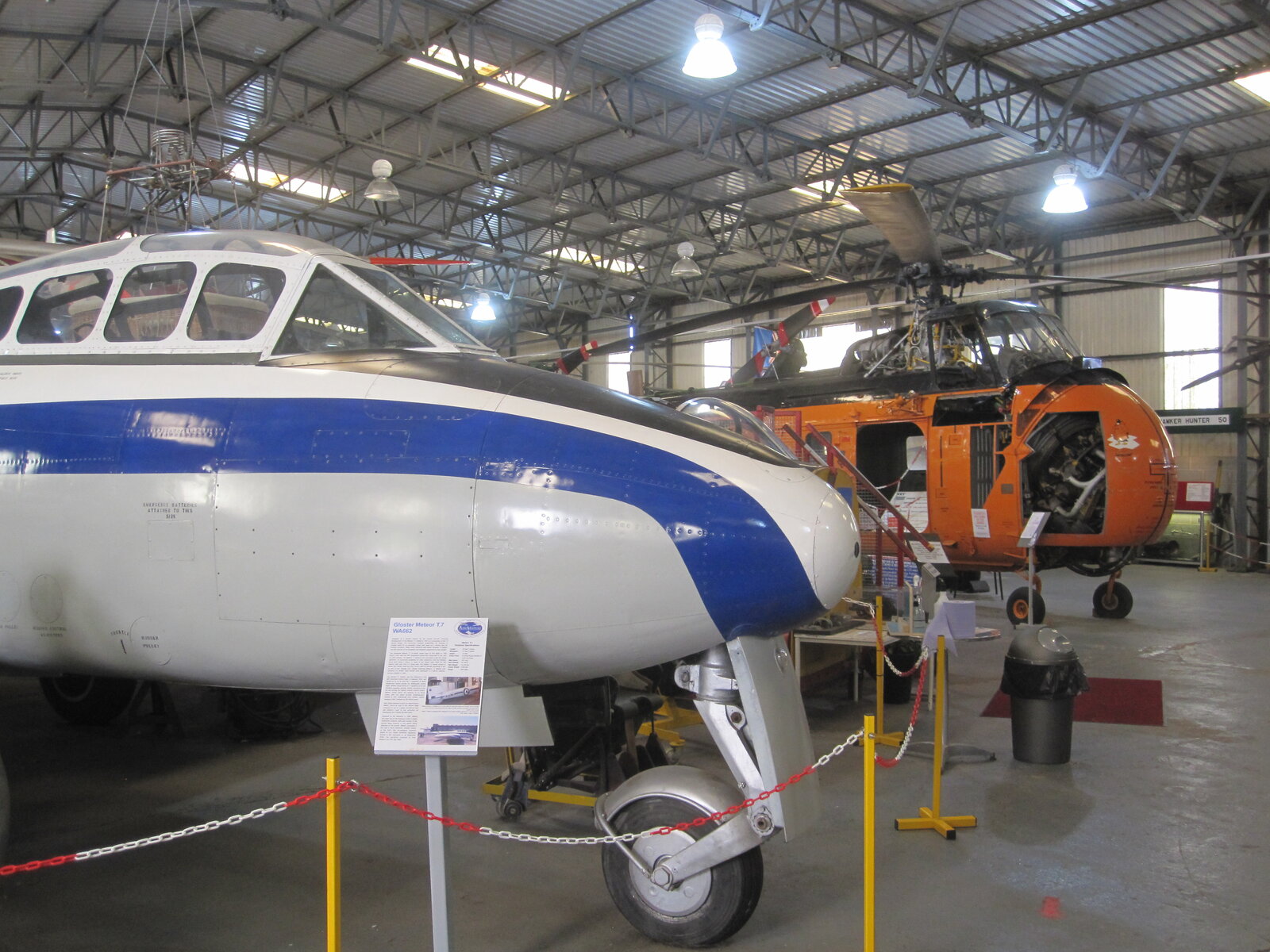
On arrival I happily parted with the £8ish entrance fee, given that this museum relies on volunteers for all its work and doubtless funding is hard to come by. Rather appropriately, the site used to be part of RAF Doncaster and has retained some of the look and feel of a former airbase. After passing through Reception you’re immediately introduced to several of the external aircraft exhibits, including the iconic Harrier jump jet. The main hangar contains the main bulk of exhibits including several aircraft, both fixed wing and rotor, providing a partial history of the development of flight through different ages.
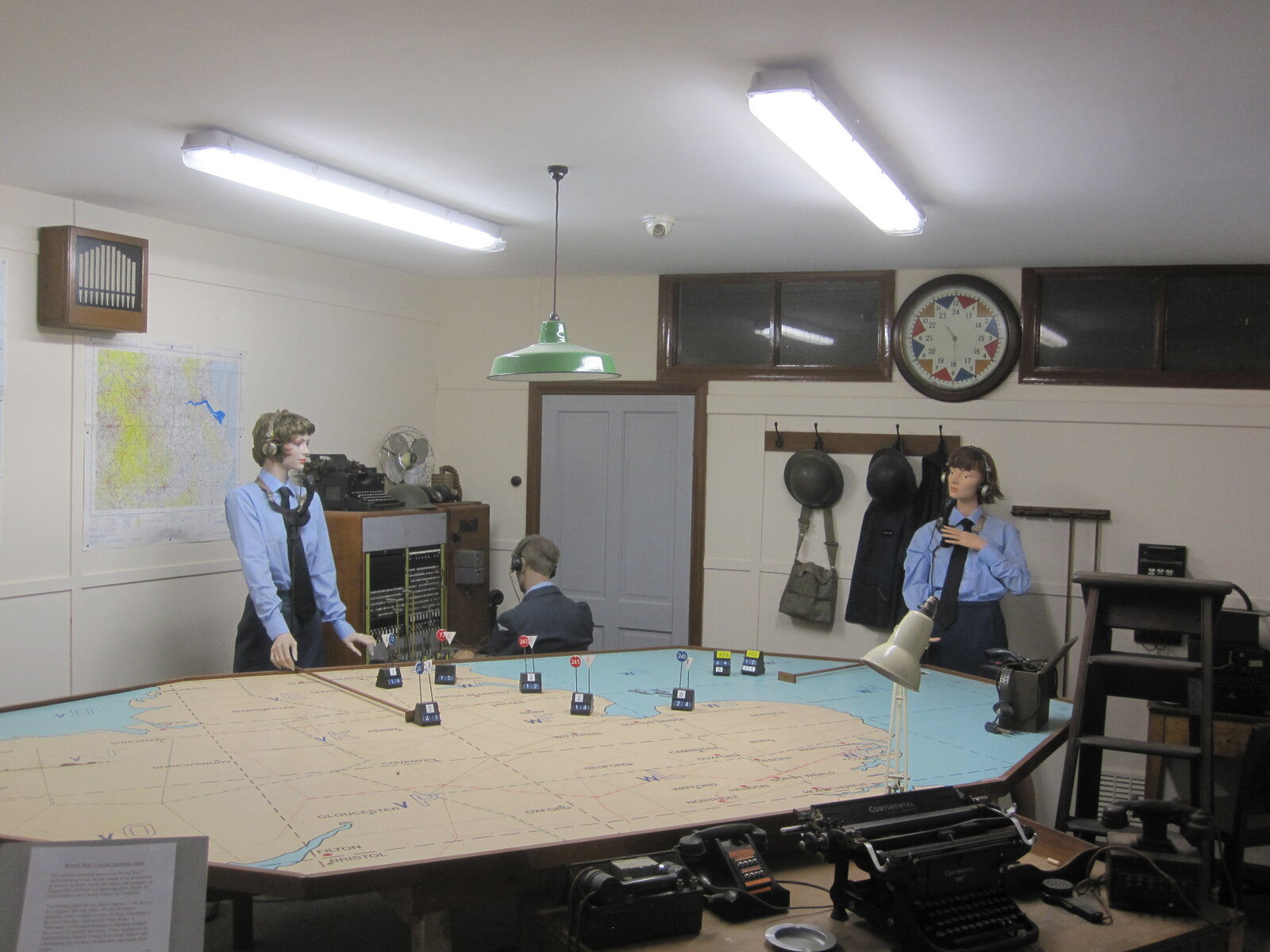
From the main hangar you can slip to the outside display area where there are more intact aircraft or move across to one the wooden huts which contain different sorts of exhibits and displays – not aircraft as such, but aircraft-adjacent history such as the Blitz and the development and use of radar. ‘Wooden huts’ makes them sound somewhat sub-standard; that’s not the case. They’re buildings in keeping with the site’s history and the displays within them are carefully crafted. Also stored outside and adjacent to the huts are a series of cockpit exhibits, some of which you can experience on ‘Cockpit Open Days’; unfortunately today wasn’t one of them. From those cockpits into which I could peer, I was a little surprised at how tight space is, undoubtedly for good reasons, but British Airways First Class it is not!
I spent a couple of hours wandering through the site and had I read all the explanatory information boards it could have been much longer. Having failed to bring my specs was part of the problem, however, after I’d read one board stating the history of a particular engine, I wasn’t especially minded to read them all. Not my area of interest I guess. There was a wide mix of civilian and military history which I thought were perhaps a bit in tension? Or rather, unresolved? I also missed a sense of narrative arc – although there were direction arrows indicating a notional route around the site (perhaps pandemic throwback?), it didn’t have a particular thread and was perhaps no better than just visiting the exhibits and displays at random. An eclectic accumulation rather than a threaded story then, so consequently many of the exhibits were out of context – a battered old engine or landing gear assembly sitting in isolation is hard to relate to what it did during its life. What I found especially appealing though was the local focus with which many of the exhibits could be attributed: sometimes aircraft, local geography or history, or events.

Before setting off home I treated myself to a very reasonably priced cuppa and cake; nothing fancy but less than the price a coffee alone would be from one of the usual outlets. Although I didn’t fully immerse myself in the exhibits and information I might have in some museums, I didn’t feel short-changed in the slightest. There really was a broad wealth of ‘stuff’ and information that an aviation enthusiast could pore over for a good few hours.